
Best Practices for Healthier Joints

Fortunately, there are several natural and effective ways to protect your joints from damaging inflammation. Combining a joint-protective herbal compound like curcumin with an anti-inflammatory diet and a low-impact exercise routine can support joint health and keep your body moving for years to come.

Joints Articulated

Joints are the places where your bones meet. Most joints are mobile, which allows your body to move in all sorts of ways thanks to cartilage—that protective layer of specialized cells that covers the ends of bones where they come together to form joints. Cartilage not only cushions bones and helps them glide smoothly over one another, it also produces collagen and proteoglycans, two necessary components of healthy joints.

Your Joints on Inflammation

With all the moving around that your bones do over time, the cartilage in your joints is bound to take a beating. When injuries do happen, inflammation plays a crucial part in the healing process. It’s the body’s way of telling the immune system to repair the damaged area by creating new collagen and proteoglycan cells. Once this process is complete and the damaged cartilage is repaired, the inflammation subsides. However, issues arise when inflammation lingers even after the problem has passed. This type of chronic low level inflammation is called metaflammation. Instead of helping to restore distressed tissue, persistent inflammation can become destructive, eroding the cartilage in your joints while inhibiting the creation of new cells.1 To make matters worse, an aging body naturally produces fewer and fewer cartilage cells to replenish the vital bumper between your bones. As cartilage continues to break down, bones can begin to rub together, and that can lead to the pain and stiffness you can feel during activity.

Curcumin to the Rescue

When joint pain hits, all you want is relief. That usually means reaching for ibuprofen or other non-steroidal anti-inflammatory drugs (NSAIDs) to ease the pain so you can get through your day. However, extended use of these medications poses significant health risks, especially in older individuals. Fortunately, nature has already provided an effective alternative in the form of curcumin.

The active ingredient in the curry spice turmeric, curcumin boasts powerful anti-inflammatory and antioxidant capabilities. Used for centuries in Ayurvedic medicine, this natural herb has been shown to reduce inflammation-related symptoms just as well as the common anti-inflammatory pain medications ibuprofen and diclofenac.2  But, while these NSAIDs just mask the symptoms of joint pain temporarily, evidence suggests that curcumin supports joint health on a deeper level by limiting runaway inflammation and preventing the deterioration of cartilage cells.3

Best of all, curcumin is safe for long-term use and carries none of harmful side effects that NSAIDs do. But keep in mind that the body has a hard time absorbing curcumin. That’s why it’s critical to look for a supplement that contains a clinically-studied form of curcumin like Meriva that provides enhanced absorption and bioavailability for the best results.

Joint Ventures

In addition to fostering joint health with curcumin, it’s also important to support your joints with diet and exercise.

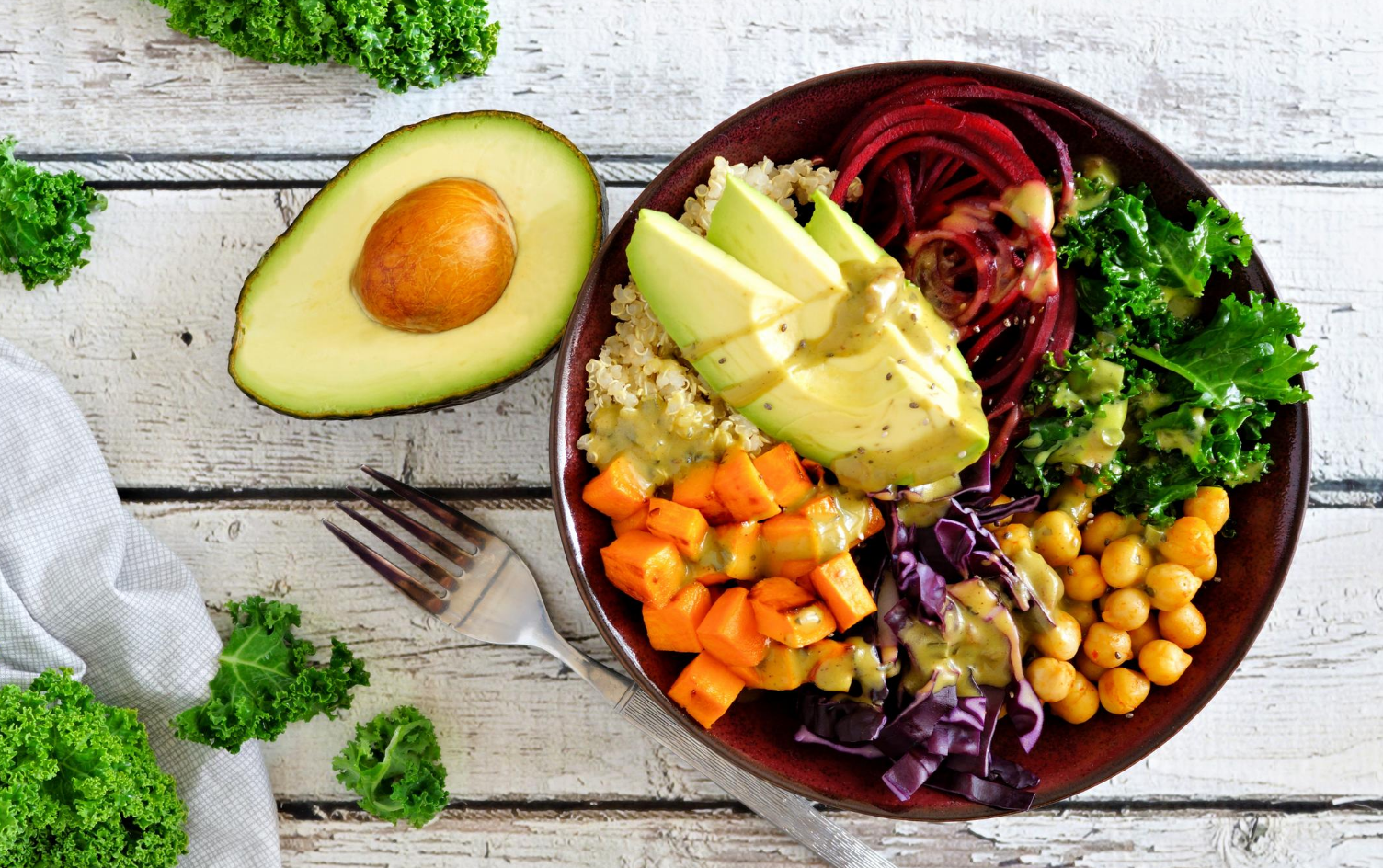
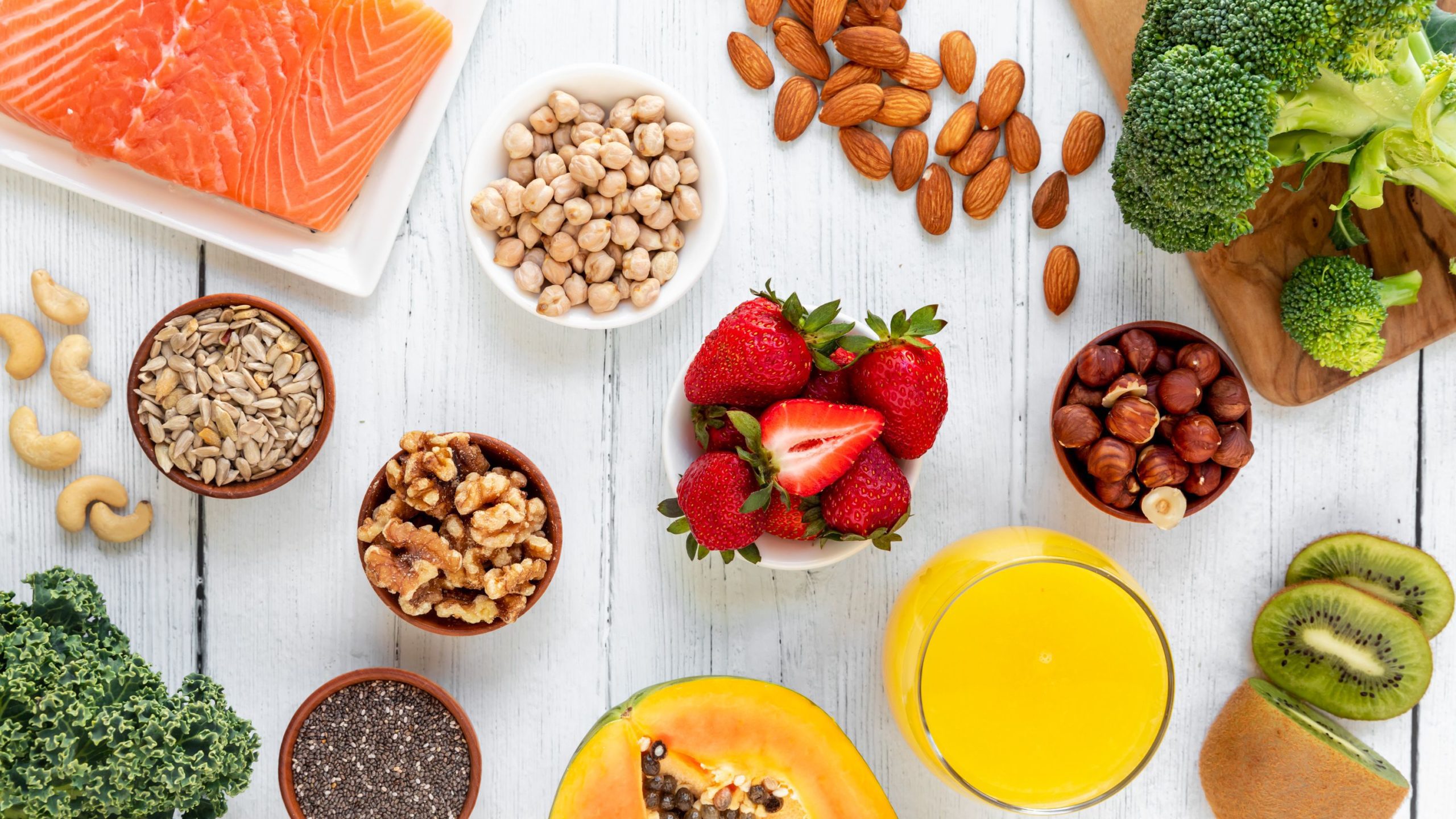
Diet. For strong and flexible joints, opt for inflammation-fighting foods that are rich in omega-3 fatty acids like wild-caught salmon and walnuts. Choosing non-starchy vegetables, antioxidant-rich fruits, and whole grains is another smart way to tame inflammation. It’s also wise to stop inflammation before it starts by reducing the amount of red meat you eat and avoiding caffeine and alcohol—two substances that can amplify inflammation. Following this type of anti-inflammatory diet not only keeps joint inflammation at a minimum in those with osteoarthritis, it may also reduce your risk of developing rheumatoid arthritis.4

Exercise. Despite the common misconception that exercise is hard on your joints, there’s really no evidence supporting this belief. Unless you’ve suffered an injury in the past, exercise actually appears to have positive health benefits for joints. If you do have concerns that some activities might be too hard on your joints, opt for movements that create as little impact as possible. Walking, cycling, swimming,  water aerobics, and riding the elliptical machine are all activities that are easy on the joints. Gentle stretching is another great way to make sure your joints stay healthy and flexible.

When choosing a workout routine, take into consideration the intensity of the exercise and the impact it will have on your joints. Your body weight and any family history of osteoarthritis should also be taken into account.5  To be on the safe side, it’s always a good idea to consult with your physician before undertaking any new physical endeavor.

Joint inflammation can limit your ability to do the things you love. But you shouldn’t wait until debilitating pain disrupts your life to do something about joint health. Adopting these natural approaches can allow you to maintain durable joints for a lifetime.

Podcast: Doctor Hoffman and Jim LaValle Discuss 6 Ways to Support a Strong Immune System

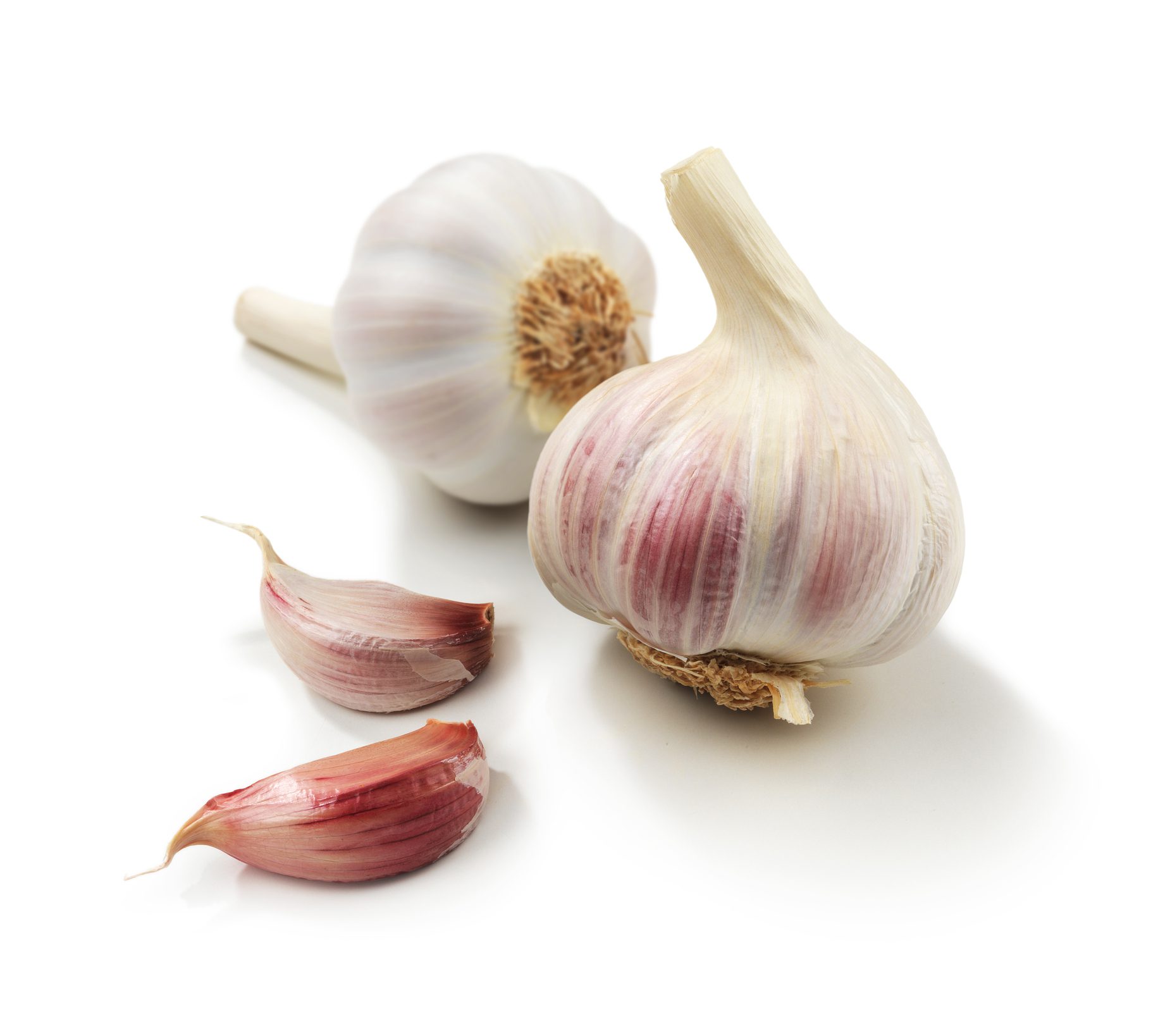
Jim LaValle also talks about Aged Garlic Extract and how it can help to support healthy immunity, and also how it is well-studied/has many published scientific articles supporting it. Kyolic Aged Garlic Extract is mentioned at the 24:32 minute mark.

For part 1 of the podcast, click here.

For part 2 of the podcast, click here.

About James LaValle

Jim (James) LaValle, R.Ph., C.C.N, a nationally recognized clinical pharmacist, author, board-certified clinical nutritionist, and founder of Metabolic Code Enterprises, Inc. a web platform and practice solution enterprise, launching AIR Support and the Metabolic Code Assessment.

About Dr. Ronald Hoffman

Dr. Ronald Hoffman is one of New York’s pioneering Integrative Medicine practitioners. He obtained his MD from Albert Einstein College of Medicine, and has been practicing for 34 years. His radio program, Intelligent Medicine, is the longest-running physician-hosted health program on the air.

This article is for informational purposes only. This article is not, nor is it intended to be, a substitute for professional medical advice, diagnosis, or treatment and should never be relied upon for specific medical advice.

Let’s Talk Congestive Heart Failure

Author: Jane Jansen of the Tree of Life Wellness Center

Congestive heart failure (CHF) (also called heart failure) is a serious progressive condition in which the heart muscle is less able to contract or is structurally limited in its ability to fill with blood. As a result, the heart’s pumping action can’t keep up with the body’s demand. Blood returns to the heart faster than it can be pumped out resulting in not enough oxygen-rich blood getting circulated to the body’s other organs.

To compensate the heart beats faster to take less time for refilling after it contracts—but over the long run, less blood circulates, and the extra effort can cause heart palpitations. The heart chamber enlarges to make room for the extra blood, or the chamber walls become stiff and thickened. The lungs fill with fluid, causing shortness of breath. The kidneys typically respond by causing the body to retain fluid (water) and salt. If fluid builds up in the arms, legs, ankles, feet, or other organs, thus the body becomes congested.

In heart failure, the release of hormones causes the blood vessels to constrict or tighten. The heart must work hard to pump blood through the constricted vessels. Angiotensin converting enzyme, or ACE, is a natural enzyme in the body that activates the hormone angiotensin, which causes blood vessels to constrict, thus increasing blood pressure. Inhibiting ACE can return blood pressure to lower levels. It’s important to keep your blood pressure controlled so that your heart can pump more effectively without extra stress.

It may become necessary to keep track of the amount of fluid you drink and how often you go to the bathroom. The more fluid you carry in your blood vessels, the harder your heart must work to pump excess fluid through your body. Limiting your fluid intake to less than 2 liters per day will help decrease the workload of your heart and prevent symptoms from coming back.

Limit how much salt (sodium) you eat. Sodium is found naturally in many foods we eat. It’s also added for flavoring or to make food last longer. If you follow a low-sodium diet, you should have less fluid retention, less swelling, and breathe easier.

People who have already have heart failure should consume no more than one to two cups of coffee per day, according to the American Heart Association.

Do not take nonsteroidal anti-inflammatory medications such as Ibuprofen, Motrin or Aleve, Class I sodium channel-blocking drugs, antacids that contain sodium (salt), and decongestants such as Sudafed.

Don’t overdo! Plan your activities and include rest periods during the day. Certain activities, such as pushing or pulling heavy objects and shoveling may worsen heart failure and its symptoms.

Beneficial Supplements include:

Hawthorn Berry: According to Mount Sinai Medical many studies conclude that hawthorn significantly improved heart function. Studies also suggest that the herb can enhance a person’s ability to exercise following heart failure. Participants in studies have reported that hawthorn significantly improved symptoms of the disease (such as shortness of breath and fatigue). One study found that hawthorn extract (900 mg/day) taken for 2 months was as effective as low doses of captopril (a prescription heart medication) in improving symptoms of heart failure.

Another large study found that a standardized hawthorn supplement was effective in 952 people with heart failure. The study compared conventional methods of treating heart failure (with different medications) with hawthorn alone and in addition to the drugs. After 2 years, the clinical symptoms of heart failure (palpitations, breathing problems, and fatigue) decreased significantly in people taking the hawthorn supplement. People taking hawthorn also took less medication for their condition.

Resveratrol: is a compound in the skin of red grapes, blueberries and other botanicals. Research suggests, “Resveratrol (RES) may have ACE-inhibitory capabilities, adding to its potential for maintaining healthy blood pressure. Additionally, resveratrol may suppress some of the adverse effects of angiotensin II, such as vascular smooth muscle cell overgrowth (hypertrophy). It is clear that the mechanisms responsible for the beneficial effects of RES on HFpEF-induced cardiac remodeling are completely complex and various. A study published in the Frontiers in Pharmacology, March 18, 2022 also states, “The nutritional agent RES may exert protective effect in the setting of HFpEF by combining anti-inflammatory, anti-oxidant, and anti-fibrotic actions coupled with improved cardiac stiffness. ACE inhibitors dilate the blood vessels to improve your blood flow. This helps decrease the amount of work the heart has to do. They also help block a substance in the blood called angiotensin that is made as a result of heart failure”.

Aged Garlic Extract (AGE) Beta-blockers are prescribed for heart failure because they reduce the hormones that cause heart failure symptoms. Beta-blockers stop the effects of epinephrine (adrenaline), and this causes the heart to beat slower and lowers your blood pressure. Research published in the February 19, 2020, Journal Experimental and Therapeutic Medicine showed Kyolic aged garlic extract significantly lowered central blood pressure, pulse pressure, pulse wave velocity and arterial stiffness.

Clinical research shows that AGE also reduces oxidation and inflammation, and increases the production of nitric oxide (a molecule that dilates blood vessels for better blood flow).

AGE also works on the microcirculatory system—that network of tiny capillaries, arterioles, and venules that moves blood from larger blood vessels to your cells. This was shown in a recent study published in the International Wound Journal. Among 122 people who took part in the study, those who supplemented with AGE for a year had better microcirculation than those taking a placebo.

Beet Root: increases levels of nitric oxide (NO), which serves multiple functions related to increased blood flow, gas exchange, mitochondrial biogenesis and efficiency, and strengthening of muscle contraction. Nitric oxide (NO) is produced from virtually all cell types composing the myocardium and regulates cardiac function through both vascular-dependent and -independent effects.

Published in the 2018 journal Molecular Cell, researchers confirmed their findings in human tissue samples, collected from hearts involved in transplants. In nearly two-thirds of failing heart samples, they found that nitric oxide determined signaling balance to the arrestin pathway. Many hearts showed evidence of nitric oxide deficiency (arrestin activation). Dr. Jonathan Stamler, MD stated, “Without nitric oxide, heart rate and contractility can’t increase, and thus hearts fail,”

There are many other supplements that are helpful, however always consult with your health practitioner before taking any supplements.

At the Tree of Life Wellness Center we have helped numerous patients with Congestive Heart Failure with healthful dietary changes and supplementation that won’t interfere with their current medications.

CHF is a serious health concern and there are numerous considerations including health history, medications and medical treatments that need to be taken into consideration before making any recommendations. For more information or to schedule an appointment call 508-336-4242. Telephone appointments are available too!

Jane Jansen Holistic Practitioner, Tree of Life Wellness Center Inc.

Host, Holistic Healthline Radio

Holistichealthline.com

This article is for informational purposes only. This article is not, nor is it intended to be, a substitute for professional medical advice, diagnosis, or treatment and should never be relied upon for specific medical advice.


The Stress-Immunity Connection

Since April is Stress Awareness Month, we thought it would be the perfect time to take a look at the effects of stress and how it interacts with your immune system. We’ll also spotlight six simple yet powerful ways to decompress your stress when life gets to be a bit too much.

How Does Stress Affect Immunity?

Believe it or not, stress can be a good thing. For example, short-term stress can boost immuno-protective functions like wound healing by increasing the number of immune cells in the blood and changing the way they circulate.1 That’s great when you’re injured since stress then kickstarts an immune response that instigates healing. Once the problem is resolved, your immune system is designed to return to normal.

But if you’re constantly stressed to the max, your immune system can become compromised. Whether it’s the pressures of a demanding job or a rocky relationship, prolonged periods of stress can suppress the immune response, leaving your body less equipped to deal with harmful intruders.2  There are also several signs that you may have a weakened immune system too. This is because unrelenting stress impairs the activity of your white blood cells, which are key to helping the body fight infections and other diseases.3  This not only sets you up to catch whatever happens to be going around that year, it can also result in more severe illness. Adding insult to injury, people who are stressed often resort to unhealthy behaviors like snacking, smoking, and drinking alcohol to get through those rough patches. These indulgences may feel good in the moment but they can further weaken your immune system and actually make the impact of stress worse in the long run.

Ways to Relieve Stress

Learning to let go of stress probably won’t happen overnight. But with practice and as little patience, you’ll be well on your way to better coping with the challenges of modern life. Here are some tips to help you deal with whatever stressors life brings:

Get your zen on. Stepping back and clearing you mind for 10 to 20 minutes each day can positively influence not only your mental state but your immune system as well. Meditation has been shown to fortify white blood cells and reduce cortisol, the stress hormone that can prematurely age your immune cells. Chill out with a meditation app like Calm, Meditopia, or Headspace.

Clean up your diet. What you eat has been shown to play a big role in how your body handles stress.4  That’s why it’s important to pack your plate with stress-busting foods like salmon, eggs, artichokes, and kimchi. At the same time, be sure to clear your cabinets of stress-promoting fare like ultra-processed snacks, sugary treats, coffee, and alcohol.

Supplement this! When it comes to stress, even a healthy diet can use a little support. A daily supplement regimen can work wonders to reduce stress, strengthen your immune system, and improve overall well-being. For example, Aged Garlic Extract has been shown to decrease the stress-related hormones cortisol and corticosterone.5 The B vitamins are also effective at combating stress. In one trial, participants taking a combination of B vitamins for a month reported significant improvements in self-perceived stress, overall health, and energy levels.6

Work it out. Exercise is a great way to put stress in its place. But regular workouts also have the added benefit of improving immune function. But you don’t have to dial up the intensity too much to get the stress-busting benefits of exercise. Activities like tai chi and yoga may not require the same fervor as CrossFit or Zumba, but they’re just as helpful at releasing tension and helping you find calm. Even an easy bike ride or lazy stroll around the neighborhood can help melt stress away.

Develop social connections. Social isolation and feelings of loneliness can undermine your immune response.7 That’s why having a social network that you interact with on a regular basis can be so important. Laughing and having fun can elevate mood, lessen stress, and even ease pain. So make it a point to spend time with family and friends—or make new connections through volunteering or via local Meetup groups.

Start growing. Exercising your green thumb is another way to bury stress and foster immunity. Gardening helps reduce anxiety, depression, stress, and even your body mass index (BMI), all while boosting your quality of life, physical activity levels, and cognitive function. Bonus? Spending a little time in the sun will give your body that necessary hit of immune-supporting vitamin D, too.

While stress may be an unavoidable part of life, you don’t have to let it get the better of you or your health. Understanding the risks long-term stress can pose—and practicing ways to minimize its impact—can give your immune system a fighting chance whenever life throws a stressful situation your way.

How-to Guide to Keeping Your Bladder Healthy

The good news, is that by taking an active role in your bladder health, you can avoid infections and reduce the risk of developing several medical problems. We will discuss several ways you can improve your bladder’s health, but first we would like to talk a little more about the bladder in general.

The bladder is a muscular sac in the pelvis, just above and behind the pubic bone. When it is empty, the bladder is about the size and shape of a pear. Urine is made in the kidneys are travels down two tubes called ureters to the bladder. The bladder then stores the urine, allowing urination to be infrequent and controlled. The bladder is lined by layers of muscle tissue that stretch to hold the urine, and the normal capacity of the bladder is about 400-600 mL. When you urinate, the bladder muscles squeeze, and two sphincters (valves) open to let the urine flow out. The urine leaves the bladder into the urethra, which carries the urine out of the body. Now that we know more about how the bladder works, how can we keep our bladder healthy?

This is an easy one…drink water! Staying hydrated is very important to the health of your bladder. Aim to drink half you body weight in ounces, per day. Drinking water throughout the day helps to dilute urine and prevent kidney stones. If you don’t drink enough fluids throughout the day, it can cause your urine to become highly concentrated, dark yellow in color, foul smelling, and can ultimately irritate the bladder. This can cause you to use the bathroom more frequently and also affect your ability to control your urine. Not drinking enough water also causes dehydration, which encourages the growth of bacteria. This can cause a urinary tract infection or the formation of stones in the urinary tract.

Another tip is to make sure you eat your veggies! Adding more vegetables to your diet is great for many reasons, one of which is improved bladder health. Vegetables like kale and cauliflower are high in vitamin C and calcium to support kidney function while corn and potatoes are high in magnesium which can help your bladder to fully empty. If you struggle with getting in your recommended servings of veggies per day, especially green veggies, we recommend trying a high-quality powdered green drink mix. We recommend looking for one containing barley grass, wheat grass, brown rice, chlorella, and kelp, to really pack the most healthy “punch” possible. Suffice to say, a powdered green drink is the perfect vehicle for boosting your daily greens intake.

Consider practicing pelvic floor muscle exercises. Pelvic floor exercises, also known as kegel exercises, can help to hold urine in the bladder. Daily exercises can strengthen these muscles which can help keep urine from leaking when you sneeze, cough, laugh, or have a sudden urge to urinate. These exercises also may help to avoid infections by strengthening the muscles that help empty the bladder.

Trouble with UTI’s? Try a supplement containing cranberry. UTI’s are one of the most common types of infection in older adults, especially women (though men can get them too!). UTI’s often result when urine pools in the bladder, making it the perfect spot for bacteria to grow. Now, how can we ward off UTI’s? We recommend investing in a quality probiotic geared towards urinary tract health – then you can support both healthy digestion as well as urinary health. Probiotics contain certain colonies of “good” bacteria, and some evidence suggests that probiotics may help prevent UTIs by keeping the “bad” bacteria from going in the vagina. It is even better if the probiotic contains cranberry, since cranberry may help to keep bacteria from sticking to the lining of the urinary tract.1 Just make sure the probiotic contains 100% cranberry fruit extract, and doesn’t use any solvents, preservatives, sugar, water, or added flavorings.

Our last tip is to avoid bladder irritants. Certain foods and fluids can cause bladder irritation, which can cause an overactive bladder, leading to leakage and increased urgency and frequency. To support the health of your bladder, it helps to avoid spicy foods, caffeinated and carbonated beverages, vinegar, and tomato-based foods when possible. Try to cut these from your diet or dilute them with water to reduce the impact on your bladder. If this is too challenging, consider avoiding these possible bladder irritants for one week to see if it causes a favorable impact on your bladder. Then gradually, every one to two days, add one back into your diet, noting any changes in urinary urgency, frequency, or incontinence.

Although bladder problems are not likely to come up over brunch with friends, they are more common than you might think, and it is important that you take an active role in your bladder health to keep it healthy for years to come. If you have questions about maintaining your bladder health, we recommend consulting your primary care physician or urologist.

Top Healthy Eating Tips for National Nutrition Month

With spring’s focus on new beginnings, there’s no better way to celebrate the season than by making some positive changes to the foods you eat.

Why does healthy nutrition really matter? According to the CDC, people with healthy eating patterns live longer and are at a lower risk for chronic health problems like heart disease, type 2 diabetes, and obesity.1 Healthy eating also helps you to maintain your body’s everyday functionality, improve immunity, and promote a healthy weight. For instance, protein helps rebuild injured tissues and promotes a healthy immune system. Both carbs and fats fuel your body, while vitamins and minerals support many of your body’s internal processes. Vitamins A, C, and E, for example, act as antioxidants to protect your cells against toxins, and the B vitamins help you extract energy from the foods you eat. Without a healthy diet, you might be compromising many of these essential functions.

What exactly constitutes a healthy diet? It’s a way of eating that focuses on nutrient-dense foods from all of the major food groups. That includes lean protein, whole grains, healthy fats, and lots of colorful fruits and vegetables. Sound overwhelming? Here are some targeted nutrition tips to make the transition easier:

Small changes matter. Small changes can add up to make a significant difference. You don’t have to overhaul your entire diet or completely eliminate foods you enjoy to create a healthy diet. The long-term goal is to feel good, have more energy, and reduce the risk of disease. But don’t let any missteps derail you—every healthy food choice you make counts.

Try going plant-based. Research shows that people who consume a more plant-forward diet have a lower risk of chronic disease. A study published in 2019 in the Journal of the American Heart Association found that people who eat a plant-based diet have a 16 percent lower risk of developing heart disease. This may be because this way of eating tends to include more heart-healthy fiber and nutrients like potassium, while limiting intake of saturated fat and cholesterol.2 However, if you’re have trouble getting enough greens each day, try a targeted powdered green drink mix. Green veggies are high in calcium, fiber, folate, magnesium, and potassium, so what better way to get these nutrients in than with a convenient powdered drink mix? Simply mix with water or juice and you’re good to go!

Worried that you won’t get enough protein by going plant-based? Fortunately, beans, legumes, seeds, soy, and tofu are all rich plant-based sources of protein.

Focus on smaller portions. Serving sizes have expanded over the past few years—and that’s particularly in restaurants. When you are eating out, consider ordering a starter instead of an entrée. Or split a dish with a friend. And don’t “supersize” anything, as tempting as it may be. When eating at home, try to use smaller plates and think about serving sizes in visual terms. For instance, a serving of meat, fish, or chicken should be about the size of a deck of cards. A teaspoon of oil or salad dressing is close to the size of a book of matches. And one serving of bread should be equivalent in size to a CD case.

Include more healthy carbs and whole grains. To boost your energy, choose healthy, fiber-rich  complex carbohydrates like whole grains. In addition to being delicious and satisfying, whole grains are rich in phytochemicals and antioxidants. Other healthy sources include beans, legumes, fruits, and vegetables. Because these carbs are digested slowly, they won’t spike your blood sugar and they tend to help you feel fuller longer.

Eat healthy fats. Good-for-you fats nourish your brain and your heart, as well as your hair, skin, and nails. The two best healthy fats are monounsaturated fats and polyunsaturated fats. Monounsaturated fats come from plant oils like peanut oil or olive oil and foods like avocados, nuts, and seeds. Polyunsaturated fats include omega-3 and omega-6 fatty acids. Omega-3s are found in fatty fish like salmon, herring, and mackerel, while omega-6s can be found in peanut butter, organic soybeans, and walnuts.

Take care of your bones. Calcium is one of the key nutrients your body needs in order to stay strong and healthy. It’s an essential building block for lifelong bone health in both women and men. That’s why it’s important to include calcium-rich dairy products in your diet. Good sources include milk, yogurt, and cheese. Veggies, especially leafy greens also contain calcium. Try mustard greens, collard greens, kale, romaine lettuce, cabbage, green beans, and Brussels sprouts for a healthy dose of plant-based calcium.

If you’re not used to eating a healthy diet, try making gradual changes that can help you improve the way you eat in the long run.

Aged Garlic Vs. Raw Garlic: Here’s What You Should Know

That’s why Aged Garlic Extract (AGE) is so different…and essential for going beyond the benefits that just garlic can offer.

We start with organically grown garlic then apply our proprietary, natural aging process that concentrates the medicinal essence, enhances the nutrient compounds, and removed the odor. The result is a potent extract that is gentle on the stomach so that you can take it every day.

If you would like to learn more about Aged Garlic Extract, check out our Aged Garlic Extract Ultimate Guide and you will have answers to each and every one of those commonly asked questions below.

The Ultimate Guide to Aged Garlic Extract

What are garlic supplements?  

What is the difference between garlic and aged garlic extract?

Who should take Aged Garlic Extract? 

What are the main benefits?

Aged Garlic Extract Vs Fish Oils 

How to get started with aged garlic extract

Is Aged Garlic Extract Safe?

Good health doesn’t mean just living your best life, it means being there to see the ones you love live theirs too. Kyolic is here to support health journey, every day!

This article is for informational purposes only. This article is not, nor is it intended to be, a substitute for professional medical advice, diagnosis, or treatment and should never be relied upon for specific medical advice.

5 Pieces of Heart Health Advice to Keep in Mind This Month

Since February is American Heart Month, what better time to learn more about your heart and ways to keep the beat for a lifetime?

Why does a healthy heart matter? The heart is at the very center of your circulatory system, which is made up of a network of blood vessels that deliver vital blood to every part of your body. It’s virtually responsible for nearly everything that gives your body life, ranging from the transportation of oxygen to the success of your immune system.

Let’s take a look at our top five pieces of heart health advice:

#1. Eat healthy fats and avoid trans fats. You need fat in your diet, including saturated, monounsaturated,  and polyunsaturated fats. One fat you don’t need though is trans fat, which is known to increase your lifetime risk of developing heart disease or having a heart attack or stroke. This is because trans fats clog your arteries by raising bad cholesterol levels and lowering good cholesterol levels. Cutting them from your diet can improve the blood flow throughout your body. As a refresher, trans fats are industry-produced fats often used in packaged baked goods, snack foods, margarines, and fried fast foods to add flavor and extend shelf life.

#2. Prioritize sleep. If you don’t get enough sleep, you may be at a higher risk for cardiovascular disease, no matter your age or other health habits.2 For the majority of adults, getting between seven and nine hours of quality sleep each night is optimal. But that number can be difficult for some to reach. We recommend shutting down all screens such as phones, tablets, and laptops at least an hour before turning in. Use that time for reflection and meditation, do some gentle stretching, and let your body slowly wind down for the night. It’s also important to avoid caffeinated drinks at least six hours before bedtime.

#3. Exercise. Engaging in regular physical activity makes your heart stronger. Exercise helps your heart pump more blood with each heartbeat, which delivers more oxygen throughout your body. With more oxygen, your body functions more efficiently. Exercise can also help to lower blood pressure and reduce levels of LDL (bad) cholesterol. This is important because, over time, oxidized LDL cholesterol can damage arteries and contribute to a condition called atherosclerosis. At the same time, exercise can raise levels of HDL (good) cholesterol. HDL helps protect against a heart attack by carrying fatty deposits out of the arteries. Studies have found that aerobic exercise is best for heart health because it makes your heart work harder to pump blood. Some examples of aerobic exercise include walking, jogging, Zumba, biking, and swimming.

#4. Avoid secondhand smoke. Studies show that the risk of developing heart disease is 25 to 30 percent higher for people who are exposed to secondhand smoke. According to the American Heart Association, exposure to tobacco smoke contributes to about 34,000 premature deaths from heart disease each year. And nonsmokers who have high blood pressure or high cholesterol have an even greater risk of developing heart disease when they’re exposed to secondhand smoke. This is because the chemicals emitted from cigarette smoke promote the development of plaque buildup in the arteries.

#5. Try a natural heart health supplement. Your heart is only as healthy as the as the arteries

that carry your blood throughout the body. Healthy arteries are flexible with a smooth, undamaged endothelium (the single layer of cells that line the inner surface of your arteries). Over time, the effects of unhealthy habits, genetics, and age can cause the buildup of artery-damaging plaque and calcium deposits that can lead to atherosclerosis. What can you do to protect and support the health of your arteries? We recommend trying a supplement containing Aged Garlic Extract (AGE). Clinical studies show that AGE can reverse plaque buildup in the arteries.3 It’s also been clinically shown to lower blood pressure and cholesterol levels, and help reverse coronary artery calcification, ultimately helping to minimize the progression of atherosclerosis.4

Follow these five tips and you’ll be doing your heart a favor. You’ll not only feel better, you’ll be able to stay active with a heart-healthy lifestyle!

Top 3 Immune Supporting Habits to Practice This Year

There are three key ways to optimize your immune system: Eat nutrient-rich foods, adopt healthy lifestyle habits, and take the proper supplements to help you stay ahead of pathogens that can make you sick.

Your immune system is made up of various organs, cells, and proteins. It plays a vital role in your body, protecting it from harmful substances or cellular changes that could make you sick. When your immune system detects foreign and potentially harmful microbes in your body, it quickly gets to work fighting them off. But sometimes your immune system can’t ward off these harmful microbes off easily. And that’s  when you get sick. Many of the symptoms you experience while ill are actually caused by your immune system reacting to these unwanted “invaders.” The good news is that once your body has successfully overcome an infection, it will remember how to fight it. That means, the next time you come into contact with those same pathogens, you won’t get as sick, if you get sick at all. One example of this is chickenpox.

Unfortunately, some people have a weakened immune system. This can be due to an unhealthy lifestyle or underlying health conditions like heart disease or diabetes. The most common symptom of a weakened immune system is an increased risk of infection.

There is no magic immune system “booster” that will level up your defenses overnight, but there are things you can do to protect your immune cells and reduce your susceptibility to infection.

  1. Maintain a healthy diet. As with most things in your body, a healthy diet is key to a strong immune system. This means making sure you eat plenty of vegetables, fruits, legumes, whole grains, lean proteins, and healthy fats. In addition to providing your immune system with the energy it needs, a healthy diet can help to make sure you’re getting sufficient amounts of the micronutrients that play a role in maintaining a strong immune system. This includes vitamin B6 (found in chicken, salmon, tuna, bananas, green veggies, and potatoes), vitamin C, (found in citrus fruits, as well as broccoli and spinach), and vitamin E, (found in almonds, sunflower oil, sunflower seeds, and peanut butter).
  2. Minimize stress. Whether it comes on quickly or builds over time, it’s important to understand just how stress affects your health—including your immune system. During a period of stress, especially chronic stress, your body responds by initiating what is known as a “stress response.” This response is actually meant to help you handle the stress better. Unfortunately, it also suppresses your immune system, increasing your chances of infection or illness.

Stress is different for everyone. Given the effect it can have on your health, it’s important to minimize its effects. Studies show that activities like deep breathing, meditation, prayer, and exercise can effectively help reduce stress and its impact on your immune system.

  1. Try a supplement. Did you know that behind digestion, immune support is the next most popular reason people use probiotics? This makes sense since about 70 percent of the body’s total number of immune cells live in the gut. When the gut becomes populated with an overabundance of harmful bacteria, probiotics can help to restore your microbial balance. Probiotics have also been shown to secrete protective substances that may “turn on” the immune system.1 This can help prevent pathogens from taking hold and triggering an infection.

In addition to probiotics, there are other immune-supportive nutrients you can incorporate into your routine. Astragalus, for example, has been used for centuries in Traditional Chinese Medicine.  Some evidence suggests it can enhance the immune system and reduce inflammation by increasing the body’s production of white blood cells, which are the cells in your immune system responsible for preventing illness.2

Zinc is another great nutrient to add to your immune-fortifying arsenal. Some studies have shown that zinc may reduce the duration of the common cold by one to two days.3

Lastly, we wanted to bring up Aged Garlic Extract (AGE). The aging process of AGE strengthens garlic’s antioxidant content, helping the body to make more lymphocytes, including powerful natural killer cells, as well as more antibodies.4

On the whole, your immune system does a pretty great job of defending you against disease-causing microorganisms. But when it becomes run down or neglected, incorporating the above tips can help keep your immune system in fighting form.