
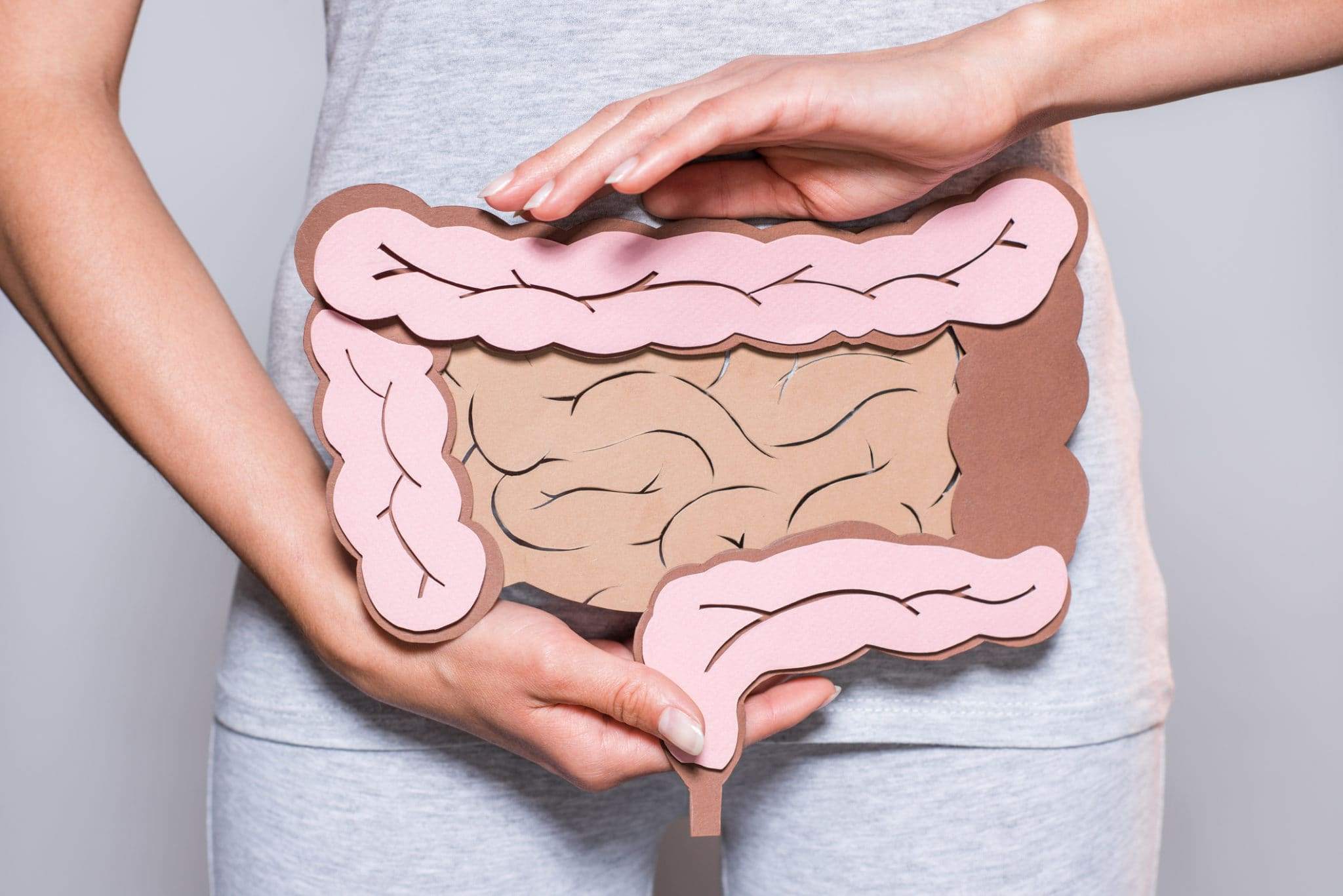
The holidays are filled with joy, family, and plenty of delicious food. But while your taste buds might love the season, your gut sometimes struggles to keep up. Between rich meals, sweet treats, travel, and stress, it’s not uncommon to experience bloating, indigestion, or sluggish digestion this time of year. Let’s take a closer look at what’s happening inside your gut during this season of joy and how you can keep it in balance.
How the Holidays Can Upend Your Gut
Activities this time of year often revolve around fatty, sugary, or salty foods that can slow digestion. Overindulging in holiday goodies—especially those ultra-processed treats—can lead to bloating, heartburn, abdominal discomfort, and constipation.1 Adding insult to injury, alcohol can disrupt your microbiome, reducing bacterial diversity and triggering gut inflammation.2
Holidays can also lead to late nights, disrupted sleep, and irregular mealtimes, which can affect your gut’s natural rhythm. Your digestive system thrives on routine, so unpredictable eating patterns can cause discomfort.3 What’s more, a lack of sleep can disrupt the balance between beneficial and harmful bacteria.4 This can set you up for digestive upset and, over time, disrupt your microbiome. Fortunately, incorporating a few healthy hacks into your holiday plans can keep your gut happy all season long.
Tips for Maintaining a Healthy Holiday Gut
Prioritizing the following healthy habits can help you feel festive throughout the holidays. And that’s definitely something to celebrate!
Enjoy meals mindfully. It’s wise to keep your portions small and eat slowly, savoring each bite. This can help to prevent overeating and reduce bloating. Try to limit high-fat foods, which can trigger indigestion.5 Also keep in mind that goodies such as chocolate, peppermint, and alcohol are known to cause heartburn.6
Get plenty of fiber. Dietary fiber promotes a healthy gut microbiome by providing fuel for beneficial bacteria.7 Aim to fill at least part of each meal with fiber-rich foods like vegetables, fruits, and whole grains to support digestion.
Stay hydrated. Water aids digestion by improving the composition of your gut microbiota and helping to prevent constipation.8,9 Drinking enough H2O also helps counter the dehydrating effects of alcohol and salty foods.
Move more. Even though the holidays can be hectic, it’s important to make time for movement. Recent studies have found that exercise can enhance the number of beneficial bacterial species, enrich the diversity of microflora, and improve the development of living bacteria in the gut.10 One study even showed that exercising can prevent the dreaded holiday weight gain and keep blood pressure, cholesterol, and insulin sensitivity in check.11 If there’s no time for a full workout, you can still give your digestion a boost by simply taking a walk after meals.
Add a synbiotic to your supplement routine. Because synbiotics combine probiotics with prebiotics, they support the growth and survival of beneficial bacteria in your gut, especially those all-important Lactobacillus and Bifidobacterium strains.12 As a bonus, synbiotics have been shown to keep gut inflammation in check and boost immunity to help defend against those unwelcomed bugs that may invite themselves to your holiday gatherings.13
Gut discomfort is an all-too-common side effect of the holiday season, but you can take steps to keep your digestion on track. The tips listed above can go a long way toward helping you to feel your best—inside and out—so you can focus on enjoying the seasonal moments that matter most.
References
- Cremonini F, Camilleri M, Clark MM, et al. Associations among binge eating behavior patterns and gastrointestinal symptoms: a population-based study. International Journal of Obesity (London). 2009;33(3):342–53.
- Bishehsari F, Magno E, Swanson G, et al. Alcohol and gut-derived inflammation. Alcohol Research. 2017;38(2):163-71.
- Singh, R., McDonald, D., Hernandez, A.R. et al. Temporal nutrition analysis associates dietary regularity and quality with gut microbiome diversity: insights from the Food & You digital cohort. Nature Communications. 2025;16:8635 (2025).
- Sun J, Fang D, Wang Z, et al. Sleep deprivation and gut microbiota dysbiosis: current understandings and implications. International Journal of Molecular Science. 2023;24(11):9603.
- Khodarahmi M, Azadbakht L. Dietary fat intake and functional dyspepsia. Advanced Biomedical Research. 2016;5:76.
- Jarosz M, Taraszewska A. Risk factors for gastroesophageal reflux disease: the role of diet. Przeglad Gastroenterologiczny. 2014;9(5):297-301.
- Fu J, Zheng Y, Gao Y, et al. Dietary fiber intake and gut microbiota in human health. Microorganisms. 2022;10(12):2507.
- Boilesen SN, Tahan S, Dias FC, et al. Water and fluid intake in the prevention and treatment of functional constipation in children and adolescents: is there evidence? Jornal de Pediatria [online]. 2017;93(4):320–7.
- Vanhaecke T, Bretin O, Poirel M, et al. Drinking water source and intake are associated with distinct gut microbiota signatures in US and UK populations. The Journal of Nutrition. 2022;152(1):171–82.
- Monda V, Villano I, Messina A, et al. Exercise modifies the gut microbiota with positive health effects. Oxidative Medicine and Cellular Longevity. 2017;2017:3831972.
- Ramirez-Jimenez M, Morales-Palomo F, Ortega AF, et al. Effects of exercise training during Christmas on body weight and cardiometabolic health in overweight individuals. International Journal of Environmental Research and Public Health. 2020;17(13):4732.
- Cosier DJ, Lambert K, Neale EP, et al. The effect of oral synbiotics on the gut microbiota and inflammatory biomarkers in healthy adults: a systematic review and meta-analysis. Nutrition Review. 2025;83(2):e4-e24.
- Li X, Hu S, Yin J, et al. Effect of synbiotic supplementation on immune parameters and gut microbiota in healthy adults: a double-blind randomized controlled trial. Gut Microbes. 2023;15(2):2247025.
This article is for informational purposes only. This article is not, nor is it intended to be, a substitute for professional medical advice, diagnosis, or treatment and should never be relied upon for specific medical advice.
Share this Post