With so many options on health food store shelves, choosing a mushroom supplement can feel a bit overwhelming. But the right choice depends on what health goals you’re hoping to support. Fortunately, understanding what to look for in sourcing, purity, and potency can help you pick a supplement that truly fits your wellness goals.
What are functional mushrooms?
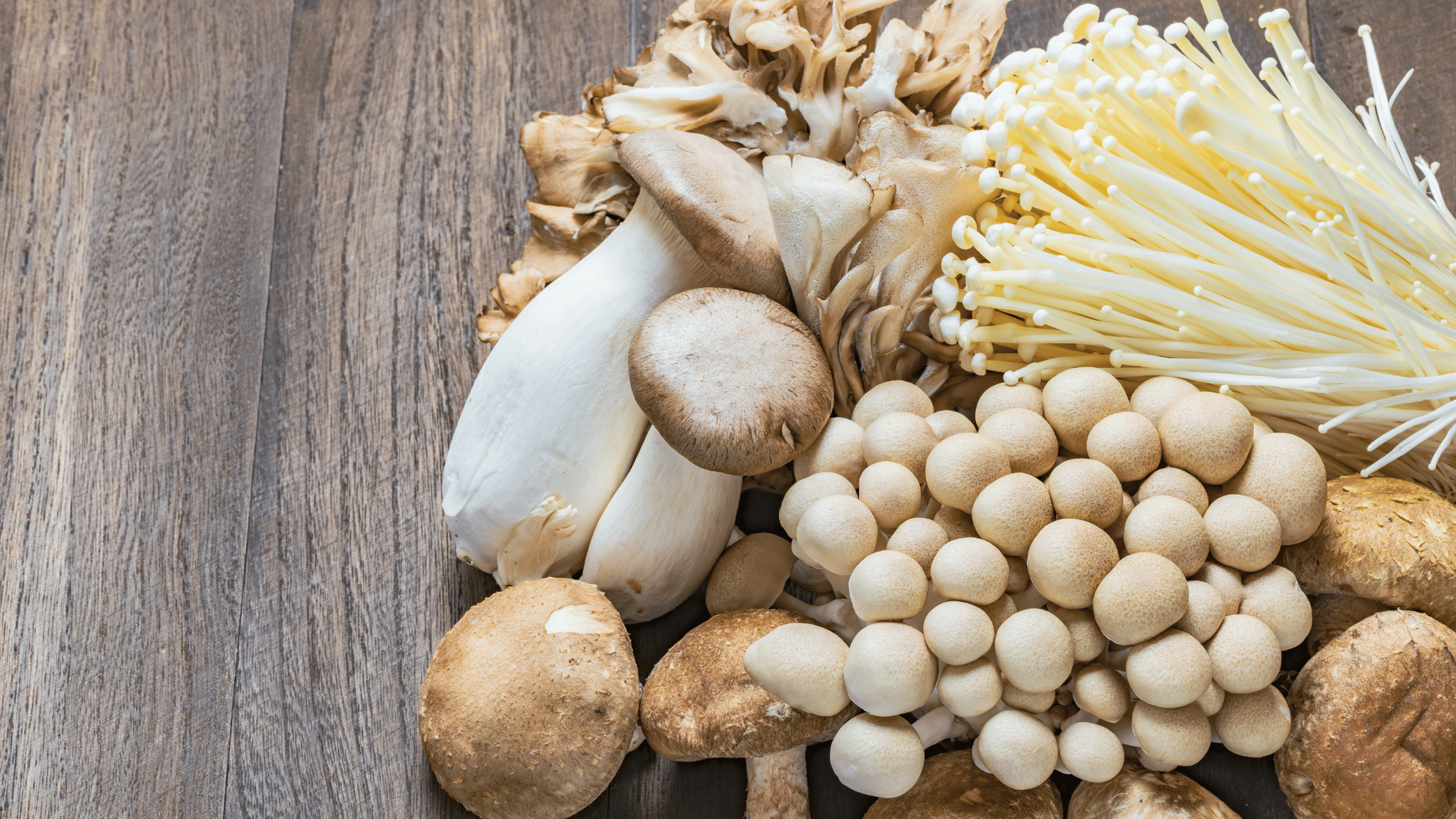
Unlike culinary or psychedelic mushrooms, functional mushrooms are types of fungi promoted for their health-promoting properties. Rich in bioactive compounds like beta-glucan and terpenes, functional mushrooms can beneficially influence sleep and energy, as well as cognitive and immune health.1
What’s the difference between mushroom mycelium and fruiting bodies?
The mycelium is the hidden, root-like network of threads that forms the main body of the fungus while the fruiting body is the visible mushroom (cap and stem) that emerges to produce spores. But that’s where the connection stops.
Unlike fruiting bodies, mycelium is grown on grain (typically rice or oats) in a laboratory, a process that is faster and cheaper than cultivating true medicinal mushrooms. The resulting grain spawn is commonly referred to as mycelium or mycelium biomass by the companies that sell it as a health product. However, grain spawn is not a genuine medicinal mushroom. That said, mycelium can contain beneficial compounds, but generally in lower concentrations than fruiting bodies. What’s more, mycelium-based supplements often contain leftover grain substrate (starch filler), which can dilute the active ingredients.
Fruiting bodies, on the other hand, are naturally grown under specific environmental conditions. It’s a process that requires more time and is more costly to produce. Fruiting bodies also contain higher concentrations of key medicinal compounds. According to research in the Journal of Food Composition and Analysis, they are a better source of biologically active compounds than mycelium.2 They are also typically purer with more reliable and consistent potency than mycelium. That’s why it’s important to check the Supplement Facts panel on the bottle before you buy to ensure you’re only getting fruiting bodies. Not mycelium. Not a blend of mycelium and fruiting bodies. Not grain biomass. Just authentic fruiting bodies.
Does the supplement contain mushroom powder or extract?
Although mushroom powder does offer some therapeutic value, it’s still less potent than a concentrated extract. This is because the extraction process unlocks important compounds in the mushrooms, making them more bio-available. Look for a supplement that contains “mushroom 8:1 extract” for optimal potency.
Are the mushrooms in the supplement “full spectrum”?
What does full spectrum really mean? It simply means that, if you conducted an in-depth analysis, the fungi in your supplement would provide all of the naturally-occurring nutrients and therapeutic compounds found in organically produced mushrooms. The addition of grain, which is typically found in mycelium—or even some mushroom—supplements, nullifies the claim of full spectrum.
Are the mushrooms organically grown?
Not all of the mushrooms found in dietary supplements are organically grown. Some conventional commercial mushroom producers use pesticides (including fungicides and insecticides) to control pests and diseases.3 However, organic producers avoid synthetic pesticides and fertilizers, relying instead on natural methods. They often test for pesticide residue to ensure compliance as well.4 Check either the Supplement Facts panel or the company website to confirm that the mushrooms in your supplement are certified organic.
Is the manufacturer transparent about where and how the mushrooms are grown and processed?
Reputable brands disclose whether mushrooms are organically grown, where they are farmed, and whether they use hot‑water or alcohol extraction. This transparency, especially when paired with third‑party testing, helps you choose products that are more likely to be pure, potent, and consistent over time.
What specific mushrooms species are included in the supplement?
Mushrooms aren’t a one-size-fits-all ingredient. That’s because different mushroom varieties possess unique properties and provide specific benefits for individual health concerns. For instance, reishi promotes relaxation and supports deeper sleep by improving natural sleep cycles.5 Lion’s mane improves cognition and mood.6 And studies report that turkey tail mushrooms enhance immunity.7 Matching the type of mushroom(s) to your health goals is critical when choosing a supplement.
Does the supplement contain other ingredients?
Mushroom supplements often include other beneficial ingredients, such as Aged Garlic Extract, oregano, zinc, valerian, or aronia berry. The choice of targeted nutrients should further support the stated health goals listed on the label and backed by science.
Is the supplement made in a cGMP-compliant manufacturing facility?
The U.S. Food and Drug Administration (FDA) enforces Current Good Manufacturing Practices (cGMP) to ensure that drugs, dietary supplements, and other regulated products are consistently safe, effective, and meet quality standards by controlling manufacturing processes, facilities, and personnel. cGMP involves rigorous systems for quality management, raw material control, documented procedures, deviation investigation, and reliable testing, ensuring that products are pure, strong, and correctly identified, using up-to-date methods and technology. To confirm that your supplement is of the highest purity and effectiveness, check the bottle or the company’s website to make sure it’s cGMP certified.
What Makes “Mushrooms—the Kyolic Way” Different?
Wakunaga of America—a company rooted in science with more than 50 years of experience providing customers with safe and effective dietary supplements—is the power behind the Kyolic Specialty Series Mushroom+ line of supplements. These supplements are based on organic mushrooms supplied by Nammex, and are carefully selected for their health-promoting properties. Grown in greenhouses and not in a lab, the mushrooms Nammex provides come from farmers who hand-harvest and naturally dry their mushrooms, preserving the active nutrients. The resulting fruiting bodies are then tested for contaminants, exceeding USP standards, and measured for active compounds before being third-party verified for purity, potency and safety.
Kyolic Specialty Series Mushroom+ supplements also contain clinically-proven herbs and nutrients, such as Aged Garlic Extract, L-theanine, or zinc, which further target common health issues like cognition, immunity, and sleep. The result is a line of supplements that provide safe and effective health benefits—everything you want from a functional mushroom supplement, nothing you don’t. No grain biomass, no mycelium, and no added sugar, dairy, gluten, or soy. Just function, not fillers, that you can count on every day.
References
- Venturella G, Ferraro V, Cirlincione F, et al. Medicinal mushrooms: Bioactive compounds, use, and clinical trials. International Journal of Molecular Sciences. 2021;22(2):634.
- Lazur J, Kata K, Krakowska A, et al. Analysis of bioactive substances and essential elements of mycelia and fruiting bodies of Hericium spp. Journal of Food Composition and Analysis. 2024;127:105981.
- Tulasi B, Bhuvaneswari K, Sake M, et al. A comprehensive review of pests, pesticides and residue detection techniques in mushroom.Archives of Current Research International. 2024;24(9):26-41.
- Weber C. Raszap S, Davis WV. U.S. Organic Mushroom Industry Overview. 2022. Available at: https://www.researchgate.net/publication/366669848_US_Organic_Mushroom_Industry_Overview
- Malghan A, Grimes A. Sleep quality improvements associated with adenine-containing reishi mushroom elixir with nanofiber delivery: A 30-day observational study. Research Gate. DOI: 10.13140/RG.2.2.29906.21449.
- Docherty S, Doughty FL, Smith EF. The acute and chronic effects of lion’s mane mushroom supplementation on cognitive function, stress and mood in young adults: A double-blind, parallel groups, pilot study. 2023;15(22):4842.
- Benson KF, Stamets P, Davis R, et al. The mycelium of the Trametes versicolor (Turkey tail) mushroom and its fermented substrate each show potent and complementary immune activating properties in vitro. BMC Complementary and Alternative Medicine. 2019;19(1):342
This article is for informational purposes only. This article is not, nor is it intended to be, a substitute for professional medical advice, diagnosis, or treatment and should never be relied upon for specific medical advice.
Share this Post