
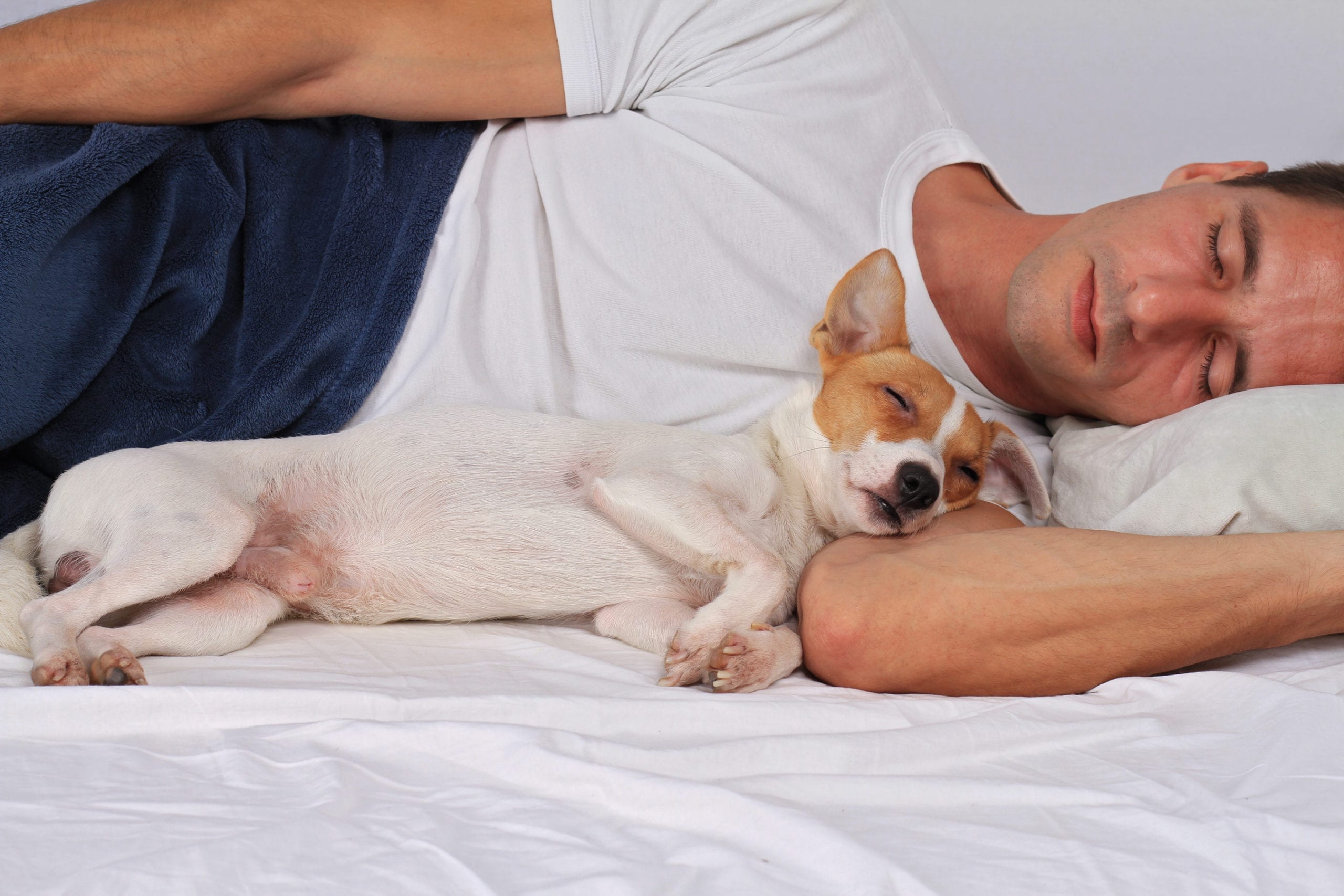
Tick tock, what’s the state of your body’s clock? If you find yourself tossing and turning at bedtime or staring at the ceiling in the middle of the night, it may need a tune up!
At its most basic, your body clock—technically known as your circadian rhythm—dictates your sleep/wake cycles over a 24 hour timeframe. But a glitch in this system can throw that biological clock out of balance, and that can have serious consequences for everything from getting a good night’s sleep to increasing your risk for certain health conditions.
What is the Circadian Rhythm?
Your circadian rhythm governs everything from when you sleep, when you wake, and when you eat. It also orchestrates the ebb and flow of your hormones, influences your body temperature, and plays a role in the timing of cell growth. While the hypothalamus acts as Mission Control for your circadian rhythm, environmental factors provide signals that turn these biological functions on and off. The main factors influencing your circadian rhythm involves daylight and darkness. Even minor changes to your exposure to daylight (think daylight savings time) can speed up, slow down, or even reset your circadian rhythm.1
Circadian Rhythm Disruption
Your circadian rhythm is a creature of habit. Going to sleep at the same time and waking at the same time day in and day out keeps it humming along without a hitch. But changes in your schedule, time zone, or even just one sleepless night can upend this biological clock. Things that can disrupt your circadian rhythm include:
- Aging2
- Alcohol3
- Bipolar disorder4
- Changing time zones5
- Dementia6
- Menopause7
- Pregnancy
- Pulling an “all-nighter”8
- Sleeping in
- Substance abuse9
- Technology (blue light, device screens)10
- Working the graveyard shift11
Sometimes a hiccup in your circadian rhythm is temporary. But chronic disruption can affect nearly every physiological function in the body and lead to serious health consequences. These include cognitive impairment, mood disorders, cardiovascular disease, type 2 diabetes, non-alcoholic fatty liver disease, and kidney problems.12,13
How to Reset Your Circadian Rhythm
Simple DIY strategies can often help reset your sleep/wake cycle. While this is relatively easy for some disorders like jet lag, if you continue to suffer from insomnia or other sleep problems, it’s wise to seek professional help.
Bright light therapy.
One of the easiest ways to realign your sleep/wake cycle is to expose yourself to bright light via a light box. Bright light stimulates cells in the retina that connect to the hypothalamus. Scientists believe that, by activating the hypothalamus at the same time every day, you can restore your normal sleep/wake cycle and boost your emotional wellbeing.14,15 Research also shows that light positively influences serotonin, the brain’s “feel good” neurotransmitter. Getting 30 to 45 minutes of light (either natural or via a light box) first thing in the morning is also more effective than light therapy later in the day because early-morning light simulates sunrise and activates your body’s natural circadian rhythms.16
Chronotherapy.
This is a relatively new type of sleep therapy in which bedtime is progressively delayed by two to three hour increments each day until you are able to fall asleep at the desired bedtime. During one trial of 66 patients with delayed sleep phase disorder, researchers found that chronotherapy (also known as phase-advance therapy) resulted in a 100 percent success rate while in a controlled environment with 50 percent of the patients maintaining a healthy sleep/wake cycle after being discharged.17,18 But, even though chronotherapy may seem like an effective way to re-establish a healthy sleep-wake cycle, it can be difficult to do on your own at home.
Sleep hygiene.
Consistently practicing good sleep hygiene can help you overcome some circadian rhythm disorders. Keep a regular bedtime, power down electronics at least two hours before turning in, sleep in a cool and dark environment, and wake at the same time every day.19
Supplements.
Combined with sleep hygiene, sleep specific supplements can help you fall asleep and stay asleep. It’s also a simple way to reset your circadian rhythm. First up is reishi mushroom extract. Studies show that this functional fungus helps calm the body, regulates stress hormones like cortisol, and promotes relaxation, potentially leading to deeper, more restorative rest by supporting natural sleep cycles. Research suggests it can increase total sleep time and reduce sleep latency, often by influencing serotonin pathways and gut microbiota, making it a gentle, natural aid for better sleep quality over time.20,21
L-theanine is another natural sleep aid that supports a healthy circadian rhythm by promoting relaxation and improving sleep quality. It works by increasing alpha brain waves, enhancing GABA (a calming neurotransmitter) activity, and reducing stress. This leads to fewer nighttime awakenings and better sleep efficiency, without directly acting as a sedative. Research also suggests L-theanine can help regulate clock genes in the body, showing potential benefits for sleep duration and daytime alertness.22
Lastly, valerian is a time-tested herbal remedy for sleep problems. It works by enhancing both the quantity and quality of sleep through the GABAergic pathway and effectively increases sleep duration while reducing the time it takes to fall asleep.23 In a study review of 60 clinical trials involving 1,600 people, the researchers concluded that the findings suggest that valerian was a safe and effective herb to promote sleep and prevent associated disorders.24 Other research shows that valerian improves sleep architecture (like increasing deep sleep) and decreases anxiety.25 Together, these actions can support a healthy body clock.
Your circadian rhythm controls your biological schedule day in and day out. But when that rhythm is out of whack, it can adversely impact your daily life. Taking a proactive approach can get you back in rhythm and foster better health and performance every day.
References
- Circadian Rhythms. National Institutes of General Medical Sciences, National Institutes of Health. 2023. Available at: https://www.nigms.nih.gov/education/fact-sheets/Pages/circadian-rhythms
- Cornelissen G, Otsuka K. Chronobiology of aging: A mini review. 2017;63(2):118-28.
- Forsyth CB, Voight RM, Burgess HJ, et al. Circadian rhythms, alcohol and gut interactions. 2015;49(4):389-98.
- Alloy LB, Titone MK, Boland EM. Circadian rhythm dysregulation in bipolar spectrum disorders. Current Psychiatry Report. 2017;19(4):21.
- Doherty R, Madigan SM, Nevill A, et al. The impact of long haul travel on the sleep of elite athletes. Neurobiology of Sleep and Circadian Rhythms. 2023;15:100102.
- Homolak J, Mudrovcic M, Vukic B, et al. Circadian rhythm and Alzheimer’s disease. Medical Science (Basel). 2018;6(3).
- Pines A. Circadian rhythm and menopause. 2016;19(6):55102.
- Möller-Levet CS, Archer SN, Bucca G, et al. Effects of insufficient sleep on circadian rhythmicity and expression amplitude of the human blood transcriptome. Proceedings of the National Academy of Sciences U S A. 2013;110(12):E1132-41.
- Hasier BP, Smith LJ, Cousins JC, et al. Circadian rhythms, sleep, and substance abuse. Sleep Medicine Review. 2012;16(1):67-81.
- Wahl S, Engelhardt M, Schaupp P, et al. The inner clock-Blue light sets the human rhythm. Journal of Biophotonics. 2019;12(12):e201900102.
- Boivin DB, Boudreau P, Kosmadopoulos A. Disturbance of the circadian system in shift work and its health impact. Journal of Biological 2022;37(1):3-28.
- Fishbein AB, Knutson KL, Zee PC. Circadian disruption and human health. Journal of Clinical Investigations. 2021;131(19):e148286.
- Firsov D, Bonny O. Circadian rhythms and the kidney. Nature Reviews: Nephrology. 2018;14(10):626-35.
- West KE, Jablonski MR, Warfield B, et al. Blue light from light-emitting diods elicits a dose-dependent suppression of melatonin in humans. Journal of Applied Physiology. 2011;110(3):619-26.
- Kamei Y. Bright light therapy. Nihon Rinsho. 2009;67(8):1611-5.
- Gooley JJ. Treatment of circadian rhythm sleep disorders with light. Annals of Academic Medicine Singapore. 2008;37(8):669-76.
- Takeshima M, Shimizu T, Echizenya M, et al. Inpatient phase-advance therapy for delayed sleep-wake phase disorder: A retrospective study. Nature and Science of Sleep. 2018;10:327-33.
- Barion A, Zee PC. A clinical approach to circadian rhythm sleep disorders. Sleep Med. 2007;8(6):566-77.
- Baranwal N, Yu PK, Siegel NS. Sleep physiology, pathophysiology, and sleep hygiene. Progress in Cardiovascular Disease. 2023;77:59-69.
- Yao, C., Wang, Z., Jiang, H.et al. Ganoderma lucidum promotes sleep through a gut microbiota-dependent and serotonin-involved pathway in mice. Science Reports. 2021;11:
- Qiu Y, Mao ZJ, Ruan YP, et al. Exploration of the anti-insomnia mechanism of Ganoderma by central-peripheral multi-level interaction network analysis. BMC Microbiology. 2021;21(1):296.
- Li MY, Liu HY, Wu DT, et al. L-Theanine: A unique functional amino acid in tea (Camellia sinensis) with multiple health benefits and food applications. Frontiers in Nutrition. 2022;9:853846.
- Sahin K, Gencoglu H, Korkusuz AK, et al. Impact of a novel valerian extract on sleep quality, relaxation, and GABA/serotonin receptor activity in a murine model. Antioxidants (Basel). 2024;13(6):657.
- Shinjyo N, Waddell G, Green J. Valerian root in treating sleep problems and associated disorders-A systematic review and meta-analysis. Journal of Evidence Based Integrative Medicine. 2020;25:2515690X20967323.
- Shekhar C, H, Joshua, L, Thomas Standardized extract of Valeriana officinalis improves overall sleep quality in human subjects with sleep complaints: A randomized, double-blind, placebo-controlled, clinical study. Advances in Therapy. 2024;41: 246–61.
This article is for informational purposes only. This article is not, nor is it intended to be, a substitute for professional medical advice, diagnosis, or treatment and should never be relied upon for specific medical advice.
Share this Post