Why your gut? According to the University of Michigan, your gastrointestinal tract may be a victim of the challenges we all started to experience in 2020. In fact, many people have suffered from an uptick in stress-related digestive problems over the past year. Thankfully, there are some simple steps you can take to regain control of and improve your gut health.
Why Gut Health Matters
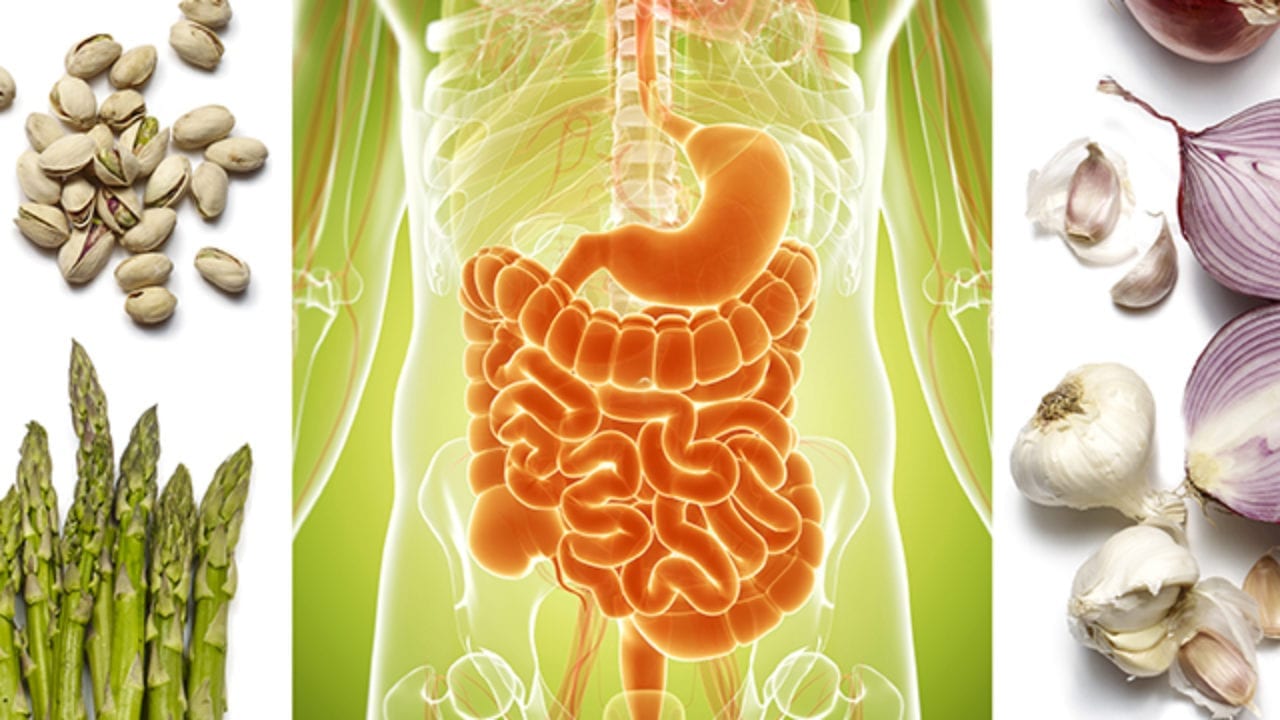
The gut is made up of trillions of bacteria, fungi, and other microbes that live in your small and large intestine. These microbes help digest the foods you eat, absorb the nutrients from those foods, and then eliminate any leftover waste. What’s more, about 70 percent of your immune system actually lies within the gut. An imbalance between the beneficial and harmful microbes that live in your intestines may contribute to digestive problems and other health issues. This is why it is so important to prioritize your gut health.
Besides digestion and immunity, your gut health can also effect your mood. Here’s how it works: about 90 percent of the nerve fibers in the vagus nerve—which is one of the body’s major nerves and runs from the brain to the abdomen—carry information from your gut to your brain. Sometimes the information is unpleasant, and this can trigger problems with your mood and emotional well-being.1 In the past, we’ve been led to believe that stress and anxiety can lead to problems in the GI tract, but it turns out that the opposite is just as likely. For many people, issues with digestion can lead to stress and anxiety. By dealing with their gut issues, they may be able to alleviate some of the feelings of stress or anxiety. If this isn’t a reason to make your gut health a priority, we don’t know what is!
Top Gut Health Tips
Don’t know where to start? Here are some of our top gut health tips.
Start taking a probiotic. Incorporating a clinically studied probiotic into your daily routine is a great place to begin. A quality probiotic can help your beneficial bacteria flourish and can keep harmful microbes in check. This can help to manage gas, bloating, and other GI issues. Look for a probiotic that is shelf-stable, which means it can safely be stored at room temperature, and also make sure it is guaranteed to be viable at time of consumption. This makes it easy to take with you when you are on the go.
Move every day. Adding physical activity to your day—even a brisk 10-minute walk—can benefit your gut health. The amount of blood diverted from your digestive system when you move decreases because your muscles are more efficient when you exercise. Regular exercise also makes positive changes to the bacterial composition in your gut.
Get enough sleep. Not getting enough good-quality sleep can have a serious effect on your gut health, and that can contribute to even more sleep issues.2 Try to prioritize getting at least 7 to 9 hours of uninterrupted sleep per night. Click here for more on how sleep and gut health are connected.
Eat a diverse range of food. There are many different species of bacteria that live in your intestines. Each species plays a different role in maintaining your health and each requires different nutrients for growth. This is why it’s important to eat many different types of food, especially fruits, vegetables, beans, and legumes. It’s also smart to add fermented foods like kimchi, miso, sauerkraut, and yogurt to that list. Many fermented foods are rich in lactobacilli, a type of bacteria that can benefit your health.
Stay hydrated. Drinking an adequate amount of water has been shown to have a beneficial effect on the mucosal lining of the intestines, as well as on the balance of bacteria in the gut.3 How much do you need? Strive to drink half your body weight in ounces every day. For example, if you weight 130 pounds, try to drink 65 ounces of water daily.
Your gut is a lot more complex than researchers previously thought and it can have a large impact on your whole-body health. Incorporating these lifestyle changes can improve your gut health, as well as your overall mental and physical wellness, for a better 2021.