Best Ways to Support a Healthy Liver

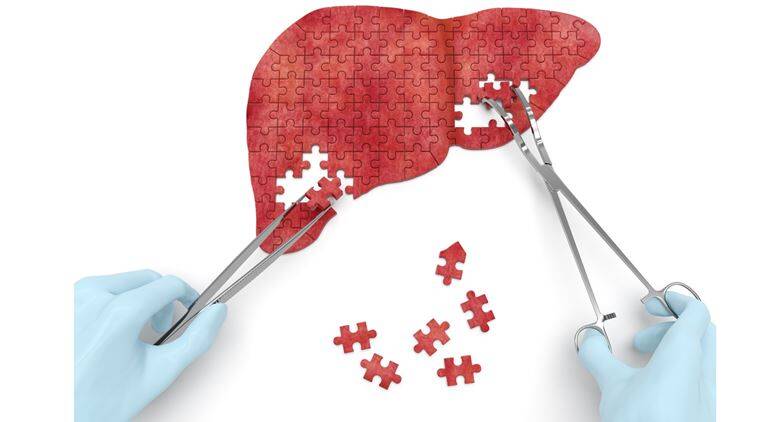
It also plays many important roles like removing toxins from the body’s blood supply, maintaining healthy blood sugar levels, regulating blood clotting, and performing hundreds of other vital functions. The liver is also the only organ that can fully regenerate itself.

The primary functions of the liver involve the digestive system. It’s responsible for breaking down the food you eat into nutrients your body needs, storing some of these nutrients and turning the rest into essential chemicals. Anything that your liver thinks is toxic is expelled through your urine and feces. To help with this filtering system, the liver produces an important chemical called bile that helps break down what you ingest, especially fatty foods. But what happens when the liver becomes damaged or compromised from excess alcohol or a fatty diet? Simply put, it can’t efficiently process and eliminate these harmful substances.

Signs Your Liver Needs Help

Here are some clear signs that your liver is a stressed and could use a little rehab:

You’re excessively fatigued. Fatigue is a common symptom when the liver is under stress. When the liver is healthy, it converts the sugars you eat into glycogen, a form of sugar that can be stored and then later released as glucose when your body needs a burst of energy. But if the liver is overworked, it may become less efficient at regulating blood glucose. This can lead to fatigue and more sugar cravings than normal.

Your hormones are out of whack. The liver detoxifies more than chemicals and pollutants. It also detoxes your own hormones, including excess estrogen. When the liver is overworked, extra estrogen may not be excreted and can build up.

You have high levels of heavy metals. Exposure to heavy metals has exponentially increased since the 1950s due to an increased use of metals in industrial, agricultural, and technological applications. From textiles to electronics to paper processing and so much more, exposure to toxic metals like aluminum and mercury have become a part of everyday life. If the liver’s detoxification pathways are impaired, these heavy metals can accumulate in the body. When this occurs, the liver’s stores of glutathione—a powerful antioxidant that binds to metals so they can be elimiated—can become depleted. The resulting buildup of heavy metals can cause nausea, diarrhea, abdominal pain, weakness, and more. A comprehensive medical test can be run to see if your body’s heavy metal content is too high.

Liver-Loving Tips

Now that you know the warning signs, let’s take a look at some simple ways you can support your liver:

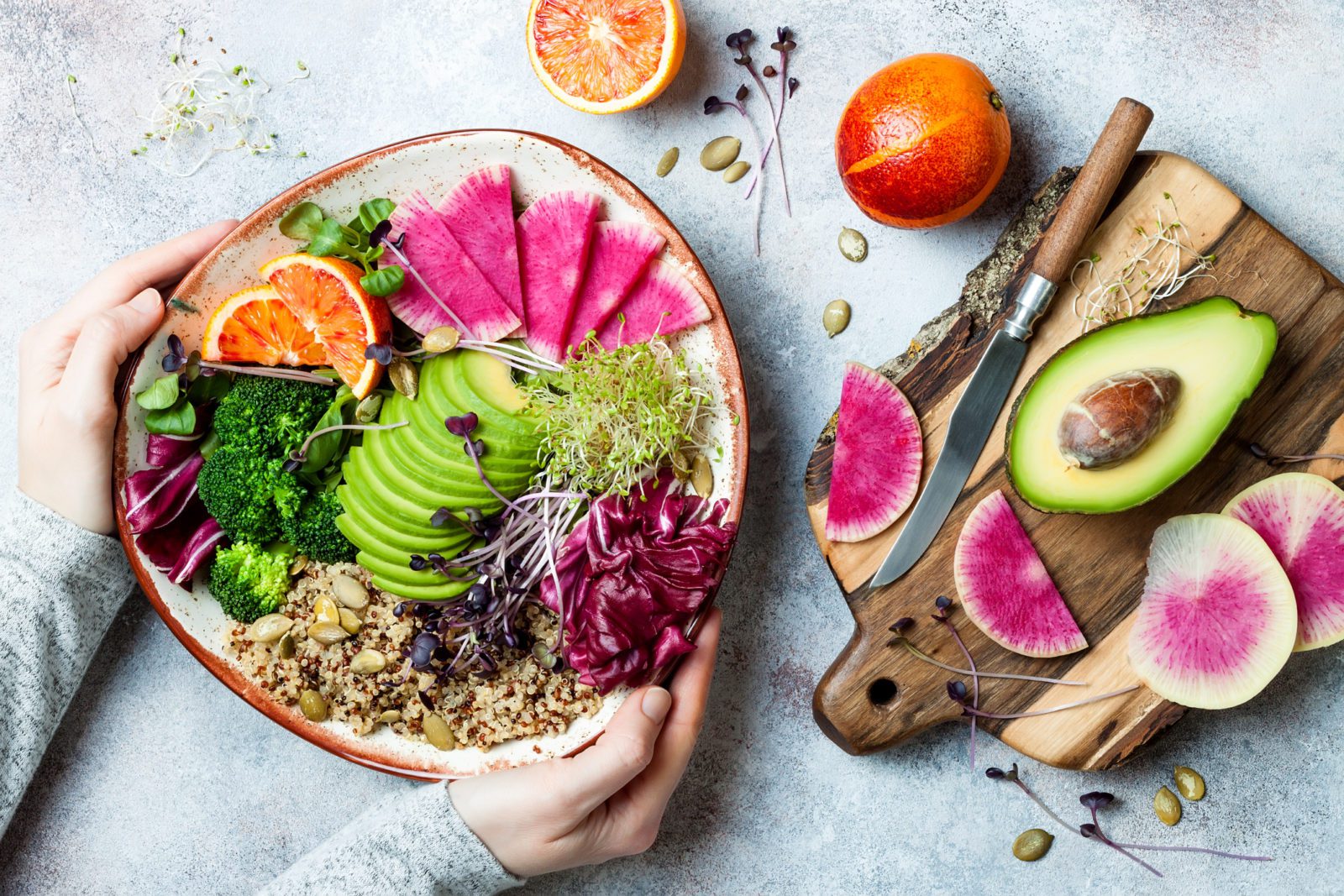
  • Eat a low-fat diet. Fat, especially saturated fat, is hard for your liver to digest. If your diet contains high amounts of fat, your liver may not be able to keep up. This can put you at an increased risk of developing non-alcoholic fatty liver disease (NAFLD). Adopting a plant-forward diet is the best way to love your liver.
  • Avoid excessive drinking. The liver can become overtaxed with the consumption of as little as two drinks in a short period of time. Excessive drinking over an extended period of time may lead to cirrhosis of the liver.
  • Be careful with chemicals. Because your liver filters all toxins, including those absorbed through your skin, it’s smart to wear gloves when handling cleaning supplies, paint, or other chemicals. Your liver will thank you.
  • Maintain a healthy weight. If you are obese or even somewhat overweight, weight loss can play an important role in preventing NAFLD. So get out there and break a sweat! Regular exercise helps burn triglycerides for fuel and can also reduce liver fat.
  • Follow directions on all medications. Taking prescription and over-the-counter drugs incorrectly —for instance taking too much, the wrong type, or mixing medicines—can harm your liver. Never mix alcohol with drugs, even if they are not taken at the same time. Tell your doctor about any over-the-counter medications and supplements that you use.
  • Incorporate a liver supplement. One last tip is to add a supplement to your routine that contains healthy nutrients for your liver. Aged Garlic Extract, for example, is a potent antioxidant rich in beneficial organosulfur compounds Studies have shown that it can also help fortify liver function thanks largely to an organosulfur compound called S-allyl cysteine.1 Milk thistle extract is also a great herb for liver support. Milk thistle’s most active compound is silymarin, a polyphenol with powerful antioxidant activity that scavenges damaging free radicals. It also boosts the activity of the body’s own antioxidants, such as glutathione.

A probiotic that contains digestive enzymes can also help to support liver function. The enzymes can assist the body’s natural ability to break down proteins, fats, carbohydrates, and dairy into absorbable nutritional elements, and can also regulate your body’s healthy bacteria and normalize your GI system.

A healthy liver means a healthy body overall. So it’s worth taking a few measures to optimize this organ’s function. Click here to read about more steps you can take to “love your liver.”

6 Realistic Practices for Better Health & Well-Being in the New Year

While you should always try to accomplish these types of health goals, the road to better health doesn’t always mean making huge changes. There are many smaller tweaks you can make that will improve your overall health and quality of life. Plus, because they are easily incorporated into your routine, they’ll be easier to keep up with in the future. When these simple steps become habits, they can result in a big positive effect on your health.

One of the best ways to turn the following tips into habits is to repeat them for 21 consecutive days to build them into your daily routine. Eventually, they will become second nature.

So, without further ado, here are six realistic practices for better health next year and beyond!

Meditate. There is a reason we put this at the top of our list. Meditation is thought to improve the flow of constructive thoughts and positive emotions, which can have a cascading effect on your overall well-being. Even a few minutes spent meditating regularly can make a big difference. Some people worry that meditation has the opposite effect, making them more stressed simply because their minds seem busier than ever. Our advice is to stick with it and keep your sessions short. Meditation isn’t about wiping all thoughts from your mind. It’s about being aware of what appears there.

New to meditating? It’s simpler than most people think. Here how to do it:

  1. Find a place that is calm and quiet.
  2. Set a time limit. If you are new to meditating, choose a shorter amount of time, such as 5 or 10 minutes.
  3. Notice how your body feels. You can sit in a chair, cross-legged on the floor, or you can kneel. Just make sure it’s a position that will be comfortable for the duration of your meditation session.
  4. Feel your breath. Follow the movement of your breath as you breathe in and out.
  5. Be kind to your wandering mind. Your attention may be pulled and your mind may wander, but when you notice this happening, just return your attention back to your breath.
  6. Repeat daily. That’s it!

Get to bed earlier. A lot of people don’t get the recommended seven to nine hours of sleep adults need per night. Over time, a shortage of sleep can raise the risk of a cardiac event, regardless of age, weight, or exercise habits.1 Sleep also allows the brain to recharge, and the body to repair and restore itself. If you are consistently sleep deprived, going to bed even 15 minutes earlier every night can help. Also, set a regular sleep and wake schedule, and stick to it, even on weekends.

Exercise. There are many benefits to exercise, including the prevention of arthritis, diabetes, and heart disease. Exercise has also been shown to enhance and improve different components of the immune system. It improves your sleep quality, decreases stress, and supports a healthy immune system too. Hit the gym or go for a walk in your neighborhood with a friend (having someone else joining you will hold you both accountable.)

Support healthy digestion with a daily probiotic. The gut is made up of trillions of bacteria, fungi, and other microbes that live in your small and large intestine. These microbes help digest the foods you eat, absorb the nutrients from those foods, and then eliminate the leftover waste. What’s more, about 70 percent of your immune system actually lies within the gut. An imbalance between the beneficial and harmful microbes that live in your intestines may contribute to digestive problems and other health issues. This is why it is so important to prioritize your gut health.

Incorporating a clinically studied probiotic supplement into your daily routine can help your beneficial bacteria flourish and can keep harmful microbes in check. This can also help manage gas, bloating, and other minor gastrointestinal issues. Look for a probiotic that is shelf-stable, which means it can safely be stored at room temperature. This makes it easy to take with you when you are on the go. It’s also important to make sure your probiotic is guaranteed to be viable at time of consumption.

Eat energy-boosting foods. Eating foods with a low glycemic index (whose sugars are absorbed slowly) may help you avoid the lag in energy that typically happens after eating quickly absorbed sugars or starches. Foods with a low glycemic index include whole grains, high-fiber veggies, nuts, and healthy oils like olive oil. For reference, proteins and fats have glycemic indexes close to zero.

Get those greens in. Most of our diets fall short when it comes to getting enough greens. This is where a quality green powdered drink mix can really help. It’s a great way to supplement a healthy diet with a boost of extra greens, vitamins, and antioxidants. What’s more, green drink mixes not only help you meet your daily veggie quota, they support almost every system in the body and can even boost your energy levels. Look for a green powdered drink mix that contains chlorella, kelp, wheatgrass, barley grass, and other powdered greens that provide an array of concentrated vitamins and minerals essential for optimal health.

The good news is that it is never too early or too late to adopt healthy habits. When you’re young, you can build the foundation for a lifetime of good health. When you’re older, healthy habits can help lower your risk of developing future health problems or manage any ailments you may currently have.


Feeling Bloated? Here’s What Can Help

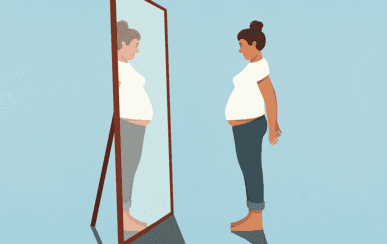
Sometimes called a “food baby,” it’s that uncomfortable, but all too common, feeling when our midsection feels stretched and puffy. What causes bloating in the first place? And how can we reduce it?

Bloating happens when the gastrointestinal tract becomes distended with gas. Signs and symptoms may include feelings of abdominal swelling, fullness, or hardness accompanied by excessive gas, burping, and sometimes cramping. Bloating may also result from swallowing excess air (for instance, if you eat too quickly, chew gum, or tend to talk a lot while eating), eating foods you don’t tolerate well, or drinking carbonated drinks. It may also be due to constipation or slow gut motility (the speed at which food travels through your digestive tract).

Thankfully, there are simple ways you can manage the pain and discomfort of bloating—and prevent it from happening in the first place.

Go for a walk. Physical activity can get the bowels moving more regularly, which can help to release excess gas and stool. Getting the bowels to move is especially important if a person is feeling constipated. A walk around the block can often provide some quick relief.

Try abdominal massage. Massaging your stomach can also get your bowels moving. A massage that follows the path of the large intestine is especially helpful. To do this, place your hands just above the right hip bone and rub in a circular motion with light pressure toward the right side of the rib cage. Next, rub straight across the upper belly area towards the left rib cage. Make your way slowly down toward the left hip bone. Repeat as often as needed.

Gradually increase fiber intake. Eating more fiber can help prevent constipation and bloating. However, most people don’t get enough fiber in their diets. The recommend amount for men is 38 grams per day. Women should consume 25 grams daily. Why gradually? Eating too much fiber too quickly can cause even more gas and bloating. Some of our favorite high-fiber foods include apples, avocados, pears, raspberries, and strawberries. Try to work some of these fiber-rich foods into your diet each day, but be sure to pace yourself.

Take a probiotic (and a prebiotic!). Adding a clinically studied probiotic supplement to your daily routine can help your beneficial bacteria flourish and can keep harmful microbes in check. This can also help to manage gas, bloating, and other minor gastrointestinal issues.1 Look for a probiotic that is shelf-stable, which means it can safely be stored at room temperature.

A prebiotic can be helpful too. Prebiotic supplements and prebiotic-rich foods are high in special types of fiber that support your digestive health. They promote the increase of friendly bacteria in the gut and help to maintain a healthy digestive system. Prebiotics are found in lots of fruits and veggies, especially foods that contain complex carbohydrates. The body can’t digest them so they pass through the digestive system to become food for your bacteria.

Keep a food diary. Food intolerances are responsible for many cases of excessive gas and bloating. Bloating is common in people who are lactose intolerant and can’t digest the sugars in dairy products. For people whose bloating typically happens after meals, keeping track of food and drink intake for several weeks can help determine whether specific foods are responsible.

Most of the time, bloating is due to minor issues that lifestyle changes or over-the-counter treatments can resolve. But if belching, gas, or bloating interferes with your daily activities, we recommend asking for guidance from your primary care physician.


6 Ways to Support Healthy Blood Sugar Levels During the Holidays

From office parties to baking cookies with family and friends, the season is filled with ample opportunities to overindulge in carbohydrates that can cause blood sugar levels to spike. This isn’t to say that you need to totally forego the foods you love during the holidays. There are some simple ways you can satisfy your cravings and enjoy the season while controlling your blood sugar levels.

Blood sugar, which is technically called glucose, is the body’s main source of energy. The term blood sugar refers to the amount of energy (sugar) present in your bloodstream at any one given time. This sugar is produced when your digestive tract breaks down any carbohydrate-rich food, from a piece of fruit to a bowl of oatmeal. This sugar is then absorbed into your bloodstream to be used as a source of energy for your body. Your blood sugar can also dictate your hunger and cravings. Simply put, you feel your best when your blood sugar is balanced. When it’s out of balance, you can experience sugar cravings, irritability, poor sleep, anxiety, and in the long term, even diabetes.

Fortunately, there are several ways you can keep your blood sugar in check this holiday season:

Plan ahead. Heading to a restaurant for a holiday party? Try checking out the menu beforehand, which can be a good way to help lower your calorie and sugar intake. If the party is at a friend or family member’s house, on the other hand, try asking what they are planning on serving. You can always offer to bring a healthier dish that complements their meal.

Add in a powdered green drink mix. Powdered green drink mixes typically contain a variety of fruits, vegetables, and other nutrients. Some green drink mixes also include prebiotic fiber. Brimming with antioxidants, these drink mixes can help you get more greens into your diet. If you find it difficult to eat the recommended number of veggies throughout the day, a quality powdered green drink mix can fill in the gaps while helping to maintain a healthy blood sugar level.1

Don’t skip meals. Skipping meals can negatively impact your nutrient intake and blood glucose levels. If you are too busy to sit down for a meal, try “meal prepping” a few easy meals or hearty snacks in advance. This can really help you out on those crazy-busy days. Also, the day of a big party, make sure to eat a healthy, filling meal prior to the festivities. Because the body becomes more insulin resistant as the day goes on, a late night meal—especially one filled with sugar and refined carbohydrates—may cause a greater spike in blood sugar.2

Stay hydrated. Drinking water helps your kidneys flush out excess blood sugar through your urine. A study found that people who drank more water had a lower risk of developing hyperglycemia (high blood sugar).3 Aim to drink half your body weight in ounces per day.

Be mindful of your diet. What you eat plays a critical role in preventing, managing, or even reversing diabetes. The most important thing to know is that diets high in starchy or sugary foods and sugar-sweetened drinks promote high fasting blood sugar and can lead to insulin resistance. Opt instead of whole foods and, if possible, follow a Mediterranean-type diet filled with colorful fruits and veggies.

Try a supplement. There are certain nutrients you can add to your routine that can help keep your blood sugar at a healthy level. Look for a supplement containing nutrients like salacia, chromium, and bitter melon. You might not have heard of some of these ingredients but they each play an important role in balancing blood sugar. Bitter melon, for example, is a fruit that contains several substances that encourage the body to use carbohydrates for energy, the way nature intended. Chromium is a trace mineral necessary for the efficient metabolism of carbohydrates and fats. In addition, chromium helps cells respond as they should to insulin, and this helps to maintain stable blood sugar levels. Salacia is a traditional Ayurvedic treatment for obesity and diabetes due to compounds shown to stabilize blood sugar, even after a high-carb meal.

A probiotic can also be of some help, especially one that contains enzymes. Enzymes break down proteins, fats, carbohydrates, and dairy into absorbable nutritional elements the body can use. Taking a probiotic can also support healthy digestion by helping to regulate the healthy bacteria in your gut.

Simply put, a few lifestyle changes can help stabilize your blood sugar levels throughout the holidays. Just remember, it’s always wise to talk with your doctor before adding new supplements to your regimen or making any dietary changes.


6 Tips to Winterize Your Immune System

The holiday season can put additional stress on your immune system thanks to the pressures of holiday shopping, decorating, parties, travel, and less than healthy food (and drinks). Being aware of the possible risks associated with winter can help you take action to keep your immune system on track. But first, let’s take a look at two different types of immunity.

Innate vs. Adaptive Immunity

Did you know that you’re exposed to an array of potentially harmful microbes every single day? Your immune system protects against these harmful microbes as well as certain diseases. A healthy immune system recognizes foreign invaders like bacteria, viruses, and parasites and springs into action to keep you well. Accomplishing this critical task involves two different types of immunity—innate immunity and adaptive immunity.

Innate immunity is the immunity you’re born with and it acts as a first-line defense against pathogens through protective barriers like the skin, mucus, and stomach acid. Adaptive immunity, on the other hand, is the immunity you develop as your immune cells learn to recognize various  pathogens. When a bacteria or virus sidesteps your innate immunity and enters the body, your adaptive immune system sends out warrior immune cells to vanquish the potentially harmful pathogens. It then creates antibodies to protect against a future exposure to the same pathogen.

6 Ways to Support a Strong Immune System

Without further ado, here are a few of our top tips to keep your immune system healthy this holiday season and beyond!

Get plenty of rest. Sleep restores and heals the body. Without sleep, your immune system wouldn’t have the strength it needs to fight off illness. Incorporate relaxation and breathing techniques throughout the day to soothe stress and help your mind and body rest deeply at night. Avoiding caffeine and alcohol late in the day as they can disrupt sleep quality. It’s also smart to avoid snacking on sugary or ultra-processed foods since they can also keep you up at night. Keeping your bedroom dark, cool, and quiet sets the stage for a healthy night’s sleep. Removing distractions like cell phones can also help. Bottom line? Adopting a sleep schedule that prioritizes getting seven  to nine hours of quality shut-eye each night can give your body the time it needs to rest and repair. And if you ever feel like your energy is waning in the afternoon, take a brief 20-minute power nap if possible.

Eat healthy foods. Maintaining a healthy diet helps keep the immune system balanced and ready to fight off harmful pathogens. Although your immune system requires a healthy balance of whole foods, there are two nutrients that should be a top priority your everyday eating pattern.

Protein is the building block of immune cells. Most adults need at least 50 grams of high-quality protein per day. If you eat three meals a day, that comes out to about one palm-sized portion of protein per meal. This could look like eggs for breakfast, turkey chili for lunch, and salmon for dinner.

Antioxidants are also critical, so fill your plate with some colorful fruits and veggies. A general rule of thumb is that the more colorful the food, the healthier it is. Deep, rich colors indicate micronutrients and antioxidants, which your body uses for protection against and recovery from illness.

Get moving. There are many benefits to exercise, including the prevention of arthritis, diabetes, and heart disease. Exercise has also been shown to enhance and improve different components of the immune system. It also improves your sleep quality and decreases stress, which supports immune function. Go for a walk or join a gym and commit to an exercise routine. As a bonus, exercise can double as a mood booster. Aim to get in some form of movement 30 minutes per day. Just avoid overexerting yourself since pushing too hard can lower your immune defenses.

Another tip? Be sure to shower after your workout. In addition to smelling bad, the perspiration left on your skin allows bacteria to grow. Breakouts aren’t the worst of it. Sweat breeds fungi and yeasts that can cause infections.

Stress management. Reducing your stress level can improve your body’s immune response. On the flip side, unresolved stress causes higher levels of the stress hormone cortisol, and that can trigger inflammation. What’s more, people who are stressed are more likely to shortchange the amount of sleep they are getting, forego exercise, and reach for unhealthy foods. If you don’t have time to engage in meditation or a yoga class, the simple act of slow, controlled breathing from the diaphragm is a stress-busting activity that you can do anywhere.

Think positive. Your mental state really can influence your physical health. Experts at The Johns Hopkins University School of Medicine found that positive thinkers were less likely than negative people to suffer a heart attack, even if they had risk factors like high cholesterol or a family history of arterial disease.1 So think good thoughts, savor the things you truly enjoy, and try not to dwell on the negative.

Try a new supplement. In addition to these immune-boosting tips, we also encourage you check out a few immune-enhancing supplements. For example, a vitamin C supplement, combined with a daily probiotic and a nutritious powdered green drink mix can help to stop any would-be infection in its tracks. For even more protection, add in a supplement containing Aged Garlic Extract (AGE). Research conducted at the University of Florida found that AGE increases the number of immune cells. If you do catch a cold or the flu, the study also suggested that supplementation could reduce the duration of the common cold or bout with the flu by as much as 61 percent and decrease symptoms by 21 percent.2

Your health is one of the most valuable things you have, if not the most important. The habits you practice today can support your immunity during those times you’re at risk. Plus, adopting a healthy lifestyle can also foster a happier, healthier life.


Podcast: Doctor Hoffman and Jim LaValle Discuss Strategy for Heart, Bone, Immune Health

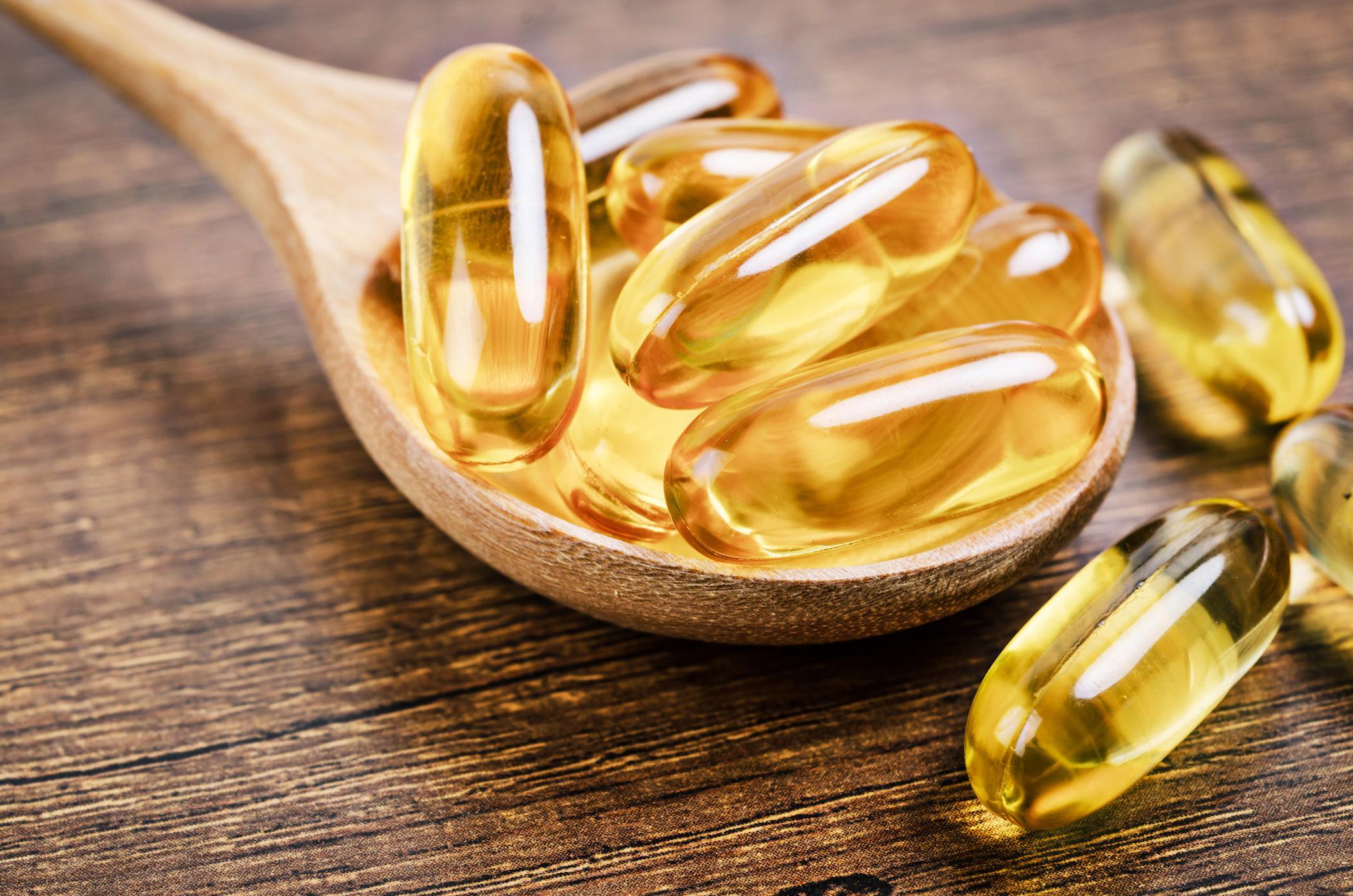
Each nutrient fills in the gaps left by the other to provide a comprehensive supplement strategy for better heart health. Why is fish oil important? Omega-3 fatty acids, which are found in fish and in smaller amounts in algae, nuts and seeds, play an important role in brain function, normal growth and development, and controlling inflammation. Getting enough omega-3s in your diet can be difficult though, unless you are eating fish a couple times a week. Adding a quality fish oil supplement to your routine ensures you are getting enough of these essential fatty acids. Even better if it also contains Aged Garlic Extract too. Take a listen to the podcast below to see why.

For part 1 of the podcast, click here.

For part 2 of the podcast, click here.

About James LaValle

Jim (James) LaValle, R.Ph., C.C.N, a nationally recognized clinical pharmacist, author, board-certified clinical nutritionist, and founder of Metabolic Code Enterprises, Inc. a web platform and practice solution enterprise, launching AIR Support and the Metabolic Code Assessment.

About Dr. Ronald Hoffman

Dr. Ronald Hoffman is one of New York’s pioneering Integrative Medicine practitioners. He obtained his MD from Albert Einstein College of Medicine, and has been practicing for 34 years. His radio program, Intelligent Medicine, is the longest-running physician-hosted health program on the air.

This article is for informational purposes only. This article is not, nor is it intended to be, a substitute for professional medical advice, diagnosis, or treatment and should never be relied upon for specific medical advice.

4 Simple Ways to Optimize Your Microbiome

You see, your microbiome consists of trillions of microbes that live inside your gut and work around the clock producing mood-regulating, brain-stimulating, and immune-boosting chemicals, as well as optimizing digestion and helping to keep premature aging at bay. Here are our top tips for keeping your microbiome in peak shape.

Eat more plants. Plant foods containing fiber are the best fuel for your gut bacteria. That is why a plant-based diet that includes a variety of whole grains, legumes, vegetables, and fruit increases the microbial diversity in your microbiome. Legumes, for example, contain a type of fiber called prebiotics, which feed your good gut bacteria and produce short-chain fatty acids.1 Combined with probiotics, prebiotics provide long-term sustainable nourishment to your microbiome. Whole grains contain something called polysaccharides which provide bulk and absorb water to promote healthy bowel movements. Fruits and veggies also contain simple sugars which draw water into the gut to assist the movement of fiber and help to prevent constipation.2

It is important to eat a wide variety of plant foods because the more diverse the gut microbiota, the more resilient it will be. That said, it’s important to clarify that “plant-based” doesn’t mean you have to become vegan. A primarily whole-food, plant-forward diet brings you many more health benefits than just avoiding animal products.

Take a probiotic. Incorporating a clinically studied probiotic supplement into your daily routine can help your beneficial bacteria flourish and can keep harmful microbes in check. This can also help to manage gas, bloating, and other gastrointestinal issues. Look for a probiotic that is shelf-stable, which means it can safely be stored at room temperature. This makes it easy to take with you when you are on the go. It’s also important to make sure it is guaranteed to be viable at time of consumption.

Try an elimination diet. Elimination diets are the gold standard for identifying food intolerances and sensitivities, which are becoming increasingly common. An elimination diet is a way of eating that omits a food or group of foods believed to cause an adverse reaction for two to four weeks. The omitted foods are then gradually reintroduced, one at a time, to see if they trigger a reaction. Once you’ve identified any foods that trigger a reaction, you can remove them from your diet. An elimination diet may also help to alleviate symptoms like bloating, gas, diarrhea, constipation and nausea.

Chew thoroughly: Eating on the run or grabbing a quick bite isn’t uncommon in today’s fast paced society. With all the demands of everyday life, sitting down for a relaxing meal isn’t always in the cards. If this sounds familiar, take note: Gulping down food quickly can have a negative impact on your digestion. That’s because when you inhale your food, you don’t chew each bite well—and this can lead to indigestion. But when you chew, a digestive enzyme known as amylase is released into your saliva, beginning the process of breaking down your food.3 This is the first step in healthy digestion. Chewing slowly also gives your brain enough time to register when you’ve had enough, preventing overeating.

Your digestive health matters. Incorporating these tips into your daily routine can help maintain a robust microbiome and a healthy digestive system, one bite at a time.


Podcast: Jim LaValle Joins Dr. Ronald Hoffman in Podcast to Discuss New Research on Aged Garlic Extract™ and Diabetes

According to the American Heart Association, adults with type 2 diabetes are two to four times more likely to die from heart disease than people without diabetes. People with type 2 diabetes often experience an increase in chronic low level inflammation and oxidized LDL (bad) cholesterol that can damage the endothelial lining of arteries. This triggers the formation of plaque at the site of the damage. Over time, this plaque accumulates, further damaging the endothelium and causing the arteries to become narrow and stiff. As plaque builds up, it can eventually reduce blood flow to the heart, brain, and other parts of the body. And if plaque becomes unstable it can rupture, causing a blood clot to form that can completely block the artery. These three new peer-reviewed studies mentioned above have found that AGE can protect the endothelium and may lessen the risk of a future cardiac events. To listen to this podcast, you can click the link(s) below.

For part 1 of the podcast, click here.

For part 2 of the podcast, click here.

About James LaValle

Jim (James) LaValle, R.Ph., C.C.N, a nationally recognized clinical pharmacist, author, board-certified clinical nutritionist, and founder of Metabolic Code Enterprises, Inc. a web platform and practice solution enterprise, launching AIR Support and the Metabolic Code Assessment.

About Dr. Ronald Hoffman

Dr. Ronald Hoffman is one of New York’s pioneering Integrative Medicine practitioners. He obtained his MD from Albert Einstein College of Medicine, and has been practicing for 34 years. His radio program, Intelligent Medicine, is the longest-running physician-hosted health program on the air.

This article is for informational purposes only. This article is not, nor is it intended to be, a substitute for professional medical advice, diagnosis, or treatment and should never be relied upon for specific medical advice.

5 Ways to Protect Yourself from the Common Cold

The viruses that cause colds are spread from person to person through tiny droplets of mucus that enter the air from the nasal passages of infected people and are then inhaled by others. Colds can also be spread by touching contaminated surfaces and then touching your mouth, nose, or eyes.

The symptoms you experience—stuffiness, runny nose, congestion, and fever—are your body’s way of fighting the virus. The respiratory tract produces mucus in an effort to flush the virus out of the body. The same goes for coughing, which can also result from congestion or irritation in your airways. But, while you likely feel miserable, your body is mounting an immune response, mobilizing white blood cells to fight off these harmful invaders by rushing to the affected areas.

Unfortunately, there is no cure for the common cold—at least not yet—but we do have five tips to keep you from getting sick.

Wash Your Hands. This is probably the best and easiest way to prevent the transmission of colds and other illnesses (along with avoiding touching your face). Frequent hand washing destroys viruses that you may have picked up from contaminated surfaces. No water? No problem! You can also carry hand sanitizer to eradicate bacteria and viruses in a pinch.

Manage stress. Studies have shown that people experiencing high levels of stress have weakened immune systems and are more likely to catch a cold than their calmer counterparts.1 Whether it be meditation, deep breathing, yoga, or calling a friend or family member to confide in, look for healthy ways to manage your stress.

Stay hydrated. Drinking plenty of fluids—especially water—helps to flush pathogens out of your system. If you do happen to get sick, staying well hydrated is important for your recovery.

Disinfect your phone. Think of all the places you put your phone down during the day—the kitchen counter, bathroom sink, restaurant table. Talk about germ city! To disinfect your phone, try using an alcohol-based disinfecting wipe. Just be sure to power off your phone first, squeeze any excess liquid out of the wipe before using, and dry with a soft lint-free cloth.

Try a supplement. Various immune nutrients can strengthen your immune system, and one of the best  is Aged Garlic Extract (AGE). AGE supports a strong immune system by encouraging a healthy inflammatory response and by reducing oxidation.

The aging process strengthens AGE’s antioxidant content, which prompts the body to produce key immune cells called lymphocytes and natural killer cells, as well as more antibodies. AGE also cranks up the action of existing lymphocytes.2

As effective as AGE is, it’s not the only nutrient that can keep your immune system in fighting shape.

Astragalus. This herbal supplement has been used for centuries in Traditional Chinese Medicine. Some evidence suggests it can enhance the immune system and reduce inflammation by increasing the body’s production of white blood cells (immune cells that fight infection).3

Zinc. This mineral has become a popular treatment for the common cold due to its ability to strengthen the immune system. Some studies show that zinc may reduce the duration of the common cold and may also reduce the number of upper respiratory infections in children.4

Vitamin C. An antioxidant, vitamin C is essential for immune cells to function properly and low levels may increase your risk of getting sick. Adding more vitamin C to your diet or through supplementation won’t reduce your risk of catching a cold, but it may speed your recovery time and reduce the severity of your symptoms.5

If, despite your best efforts, you do end up getting sick, stay home to prevent spreading your cold to other people. It’s also important to practice good cough and sneeze etiquette. That means coughing or sneezing either into a tissue or into your elbow, completely covering your mouth and nose.

Remember, there is no cure for the common cold, but if you follow the tips above you may be able to lessen your chances of catching one and reducing its severity if you do.