In a nutshell, eating the rainbow involves increasing the amount and variety of fruits and vegetables you eat. Since colorful fruits and veggies contain potent phytonutrients that can help protect against chronic disease, it’s a smart and easy way to improve your health.1
How Do Phytonutrients Provide Protection?
Phytonutrients are chemical compounds produced by plants to help them ward off attacks by insects and animals. These nutrients also enhance a plant’s immune system, helping them resist fungi, bacteria and plant viral infections. But in people, phytonutrients also boast the ability to protect against cardiovascular disease and some types of cancer thanks largely to their antioxidant and anti-inflammatory properties.2 In one meta-analysis involving nearly 470,000 individuals, researchers linked a higher consumption of fruits and vegetables with a markedly reduced risk of dying from cardiovascular disease.3
Another study out of the University of Washington found that people who optimized their vegetable intake had a lower risk of a wide variety of illnesses, including a:
- 2% decline in ischemic stroke risk
- 9% lower risk of hemorrhagic stroke risk
- 5% reduced risk of esophageal cancer
- 1% decreased risk of developing type 2 diabetes 4
To get these benefits, the American Cancer Society have traditionally recommended eating 2½ cups of fruits and veggies each day.5 But the most recent U.S. Dietary Guidelines recommends even more! According to their latest report, Americans should strive to consume 2½ cups of vegetables and 2 cups of fruit daily, which translates to nine servings per day based on a 2,000 calorie diet.6
Why Variety Matters
A large study that appeared in The Journal of Nutrition reported that, while the amount of fruits and veggies you eat matters, variety is also critically important.7 That’s because different fruits and vegetables provide different nutrients and different health benefits. Here’s a quick color-coded “cheat sheet” to help you pick the best your produce section has to offer.
Red. Rich in lycopene, as well as folate and vitamins A, C, and K1, red fruits and vegetables include apples, beets, cherries, cranberries, raspberries, red peppers, red onions, strawberries, tomatoes, and watermelon. Lycopene is a potent scavenger of damaging free radicals that appear to protect against some forms of cancer, as well as heart disease.7
Orange/Yellow. Foods like apricots, bananas, cantaloupe, carrots, mango, peaches, pineapple, pumpkin, and winter squash provide beta-carotene and beta-cryptothanxin. These two nutrients support intracellular communication, bone health, sharp vision, and a strong immune system.8,9
Green. These foods are high in chemicals like sulforaphane, isothiocyanates, and indoles that inhibit cancer-causing compounds.10 Foods especially high in these chemicals include alfalfa sprouts, asparagus, avocado, Brussels sprouts, cabbage, collard greens, green tea, kale, kiwi, spinach, and herbs like basil, mint, and rosemary.
Blue/Purple. Boasting powerful antioxidants called anthocyanins, blue and purple foods like blueberries, blackberries, elderberries, Concord grapes, eggplant, figs, and plums may delay cellular aging and help prevent blood clots.11,12
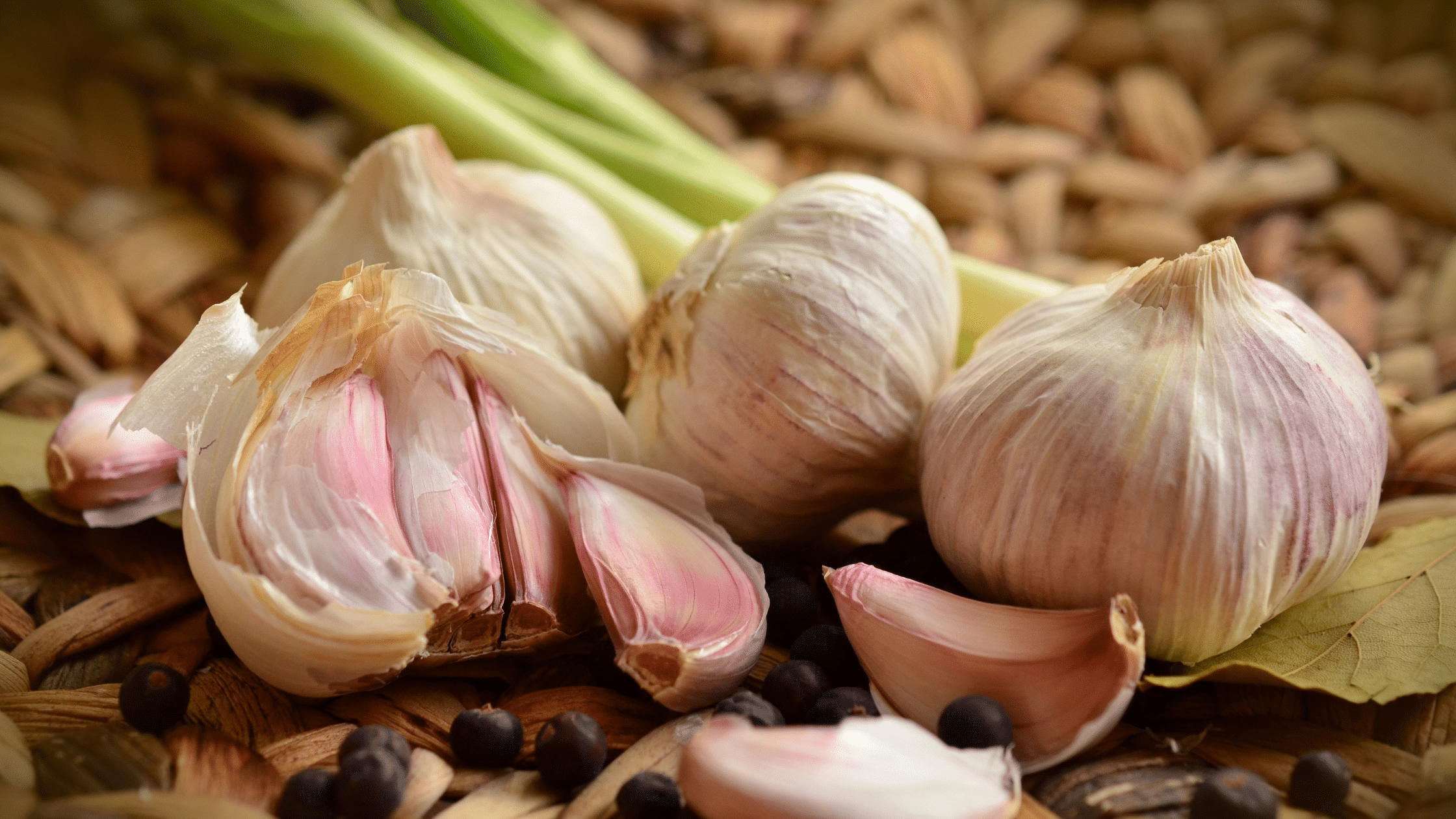
White/Brown. Onions, garlic, and mushrooms are packed with fiber and antioxidant-rich pigments called anthoxanthins that help reduce oxidative stress and protect against cardiovascular and neurodegenerative diseases.13 Onions are an excellent source of quercetin, an anthoxanthin found to reduce cardiovascular disease and help control blood sugar.14 Garlic contains allicin, a compound shown reduce risk of heart disease, diabetes, and some neurological conditions.15 And mushrooms are an excellent source of polysaccharides like β-glucans that help modulate the body’s immune response.16
Easy Ways to Boost Your Plant Intake
Now that you know why you need to increase and diversify the number of fruits and vegetables you eat, you may be wondering how you can manage to consume nine servings each day. Here are six easy tips to help you reach that goal.
- Be aware that one serving is not that big. Just a half-cup of chopped raw veggies or fruit makes one serving.
- Think in twos. Try to eat two servings for breakfast, two for lunch, and two for dinner.
- Snacks count! Need a little something to tide you over until the next meal? Instead of reaching for chips or a candy bar, opt for a piece of fruit or a handful of raw veggies.
- Shop colorfully. The next time you find yourself in the produce section, choose at least four fruits or vegetables sporting different colors. It’s also smart to pick fruits and veggies that are in season or on sale to save money.
- Fill your freezer. Frozen fruits and vegetables are just as nutritious as their fresh counterparts. Plus, filling your freezer with frozen fruits and vegetables can increase variety all year long.
- Try one new fruit- or vegetable-based recipe every week or two. Keep mealtime fresh and creative by exploring new ways to prep your colorful produce.
Add A Daily Greens Drink
Still struggling to meet the recommended number of fruits and veggies? We get it, it’s not always possible to maximize your plant intake. That’s why adding a powdered greens drink mix to your daily routine can help you reach your quota. But not all greens drink mixes are created equally. To get the most from your powdered greens, look for a combination of the following superfoods:
- Barley grass. Along with vitamins A, C, E, beta-carotene, and the B vitamins, barley grass is a rich source of potassium, calcium, iron, phosphorus, and magnesium. Plus, it provides chlorophyll, amino acids, protein, fiber, and enzymes. If that weren’t enough, barley grass is also an excellent source of superoxide dismutase (SOD), a critical enzyme that helps neutralize the harmful effects of free radicals.17
- Brown Rice. This good-for-you grain is an excellent source of prebiotic fiber that supports digestive health. What’s more, brown rice is rich in magnesium, phosphorus, selenium, thiamin, niacin and vitamin B6, and manganese.18
- Chlorella. This unique single-celled freshwater algae boasts a wealth of nutrients including vitamins B1, B2, B12, folic acid, C, and K. It’s also a potent source of minerals, essential fatty acids, protein, and fiber.19
- Inulin. This type of fiber, which comes from chicory root, is another stellar source of prebiotics that supports the growth of friendly gut bacteria.20
- Kelp. This common seaweed is rich in B vitamins, which play a critical role in cellular metabolism. Because it absorbs nutrients from its surrounding environment, kelp contains more than 15 amino acids and is also a great way to boost your iodine, calcium, magnesium, copper, boron, zinc, and manganese intake.21
- Wheatgrass. Loaded with vitamins A, C, and E, as well as iron, magnesium, calcium, and amino acids, wheatgrass is also high in the powerful antioxidant, glutathione.22
In addition, it’s smart to search out a high-quality powdered greens drink mix that contains mostly organic ingredients. Also, check the label to ensure it is dairy-free, gluten-free, non-GMO, and vegan friendly.
Remembering to eat the rainbow at each meal can be a simple way to ensure you’re getting a variety of nutrients every day. And unlike the rainbows of myth and legend, the pot of gold at the end of this rainbow is a longer, healthier life.