

Ever since the 1960s, the world has been obsessed with cholesterol—and that’s especially true for LDL cholesterol.2 If you’ve been diagnosed with borderline high LDL levels (130-159 mg/dL) or high LDL levels (160-189 mg/dL), your doctor has likely suggested strategies for lowering your levels. The problem is, your LDL levels may not be the best indicator of your risk. In fact, approximately 10 percent of people with normal LDL have elevated levels of something called ApoB levels, a sign that you may still be at a higher risk of cardiovascular disease.3
What Is ApoB and Why Does It Matter?
ApoB—technically known as apolipoprotein B—is a large protein that’s found in all “bad” cholesterol particles, including low-density lipoprotein (LDL) and very low-density lipoprotein (VLDL). It plays a crucial role in transporting these harmful forms of cholesterol into your arteries, where it contributes to the formation of artery clogging plaque.4 Think of ApoB as the conductor guiding your cholesterol train, transporting harmful cholesterol into your arteries. Worse yet, this conductor only gives rides to harmful lipids, not the good cholesterol like high-density lipoprotein (HDL) that removes the bad cholesterol. Over time, these destructive lipids accumulate, contributing to atherosclerosis and increasing your risk of a heart attack or stroke.5 Research even suggests that ApoB levels are a more accurate predictor of a future cardiovascular events than LDL cholesterol or non-HDL cholesterol (the total amount of “bad” cholesterol in your blood).6
Testing 1,2,3
Fortunately, it’s easy to determine your ApoB levels via a simple blood test. What do the results mean? Normal levels of apolipoprotein B (ApoB) vary depending on factors such as age, gender, and individual health status but, according to general guidelines, healthy levels for men range from 66-133 mg/dL and for women 60-117 mg/dL. Levels over 133 mg/dL indicate an increased risk of cardiovascular disease. While some people with a family history of heart disease may have elevated levels, pregnancy, kidney disease, or having high total cholesterol and high LDL cholesterol can also result in higher than normal ApoB levels.7
How to Lower Your ApoB Levels
Even if your levels are high, you can lower ApoB, and it starts with your lifestyle. Adopting the everyday changes discussed below can help to decrease both your ApoB and LDL cholesterol levels while also increasing your (good) HDL cholesterol levels.
Start with your diet. Eating a Mediterranean diet has been shown to lower ApoB levels. One study that appeared in the British Journal of Nutrition found that eating a Mediterranean diet for just four weeks decreased ApoB levels by 10 percent.8 Another study of 551 people at high risk of cardiovascular disease reported that adopting a Mediterranean diet reduced ApoB levels by 4.4 percent compared to a low-fat diet.9 High in olive oil, leafy greens, legumes, nuts, and fish, a heart-healthy Mediterranean diet is rich in soluble fiber and healthy unsaturated fats while being naturally low in fructose, as well as saturated fats and trans fats.
Add exercise. An observational study of more than 100 people found that those who exercised moderately for 30-60 minutes five days per week had a 14 percent lower ApoB compared to the sedentary participants.10 While aerobics can help lower your levels, it’s important to include resistance training like weight lifting, which has been shown to reduce ApoB levels by as much as 50 mg/dL over three months.11
Watch your weight. People who are overweight or obese are more likely to have high ApoB levels. This has been proven in studies showing a link between a higher body mass index (BMI), greater central obesity, and higher ApoB levels, with obese individuals at the greatest risk.12,13 Maintaining a healthy weight reduces the risk of elevated ApoB. The good news? Eating a Mediterranean diet and regularly working out can help you lose the weight and keep it off.
Soothe stress. Living a stressful life increases the stress hormone cortisol. That, in turn, can increase ApoB levels, as well as whole body inflammation.14 Although it’s impossible to avoid all stress, you can help manage the stress that does come your way by incorporating a few relaxation techniques into your daily life. Experiment with deep breathing, journaling, meditation, or yoga and see what works best for you.
Consider Supplements
Supplements alone won’t magically lower your ApoB levels. But pairing the following with the lifestyle changes above can help to reduce the negative effect this cholesterol conductor can have on your cardiovascular health.15
Aged garlic extract. This proprietary form of garlic has been the subject of numerous studies showing its ability to reduce the risk of heart disease on multiple fronts, from lowering blood pressure to slowing the progression of coronary artery calcification (CAC).16,17 But when aged garlic extract (AGE) is combined with vitamins B6 and B12, folic acid, and L-arginine, it also reduces ApoB. This was shown in a year-long clinical trial of 65 people at intermediate risk of heart disease. The participants were divided into two groups: one group took this proprietary combination of nutrients while the other took a placebo. At the end of the study, all the participants underwent coronary artery calcium scanning. Those taking the AGE supplement experienced less progression in the buildup of CAC , as well as a reduction in their total and LDL cholesterol. Plus, the AGE group also saw a significant decrease in ApoB.18
Plant sterols. Sterols, typically called phytosterols, are natural compounds found in plants that have a chemical structure similar to cholesterol. Because of this, they can help reduce your body’s cholesterol levels by competing with cholesterol for absorption in the gut. This effectively leads to less cholesterol entering the bloodstream. Better yet, these unique plant compounds also reduce ApoB.19 But if you think eating more sterol- and sterolin-rich grains, nuts, and veggies will do the trick, think again. Even those eating a plant-based diet would struggle to obtain enough of these phytosterols to move the cholesterol and ApoB needle. Instead, supplementing with these two compounds has been shown to efficiently lower both LDL and total cholesterol and ApoB.20,21
Red yeast rice. This unique compound is produced when a mold called Monascus purpureus colonizes and ferments rice. As the mold turns the rice dark red, it produces a medicinal compound called monacolin K that research shows it reduces LDL cholesterol as much as 25 percent.22 In 15 studies involving 8,000 participants, supplementing with this natural statin alternative decreased LDL and total cholesterol, with no damage to liver or kidney function.23 Another study of more than 1,000 people also found that red yeast rice significantly reduced ApoB.24
Knowing your ApoB levels could be the missing link for truly reducing your risk of a future heart attack or stroke. Lowering your ApoB levels with these healthy lifestyle changes and supplements can help you drive that cholesterol train toward healthier arteries and a lower risk of heart-related complications.




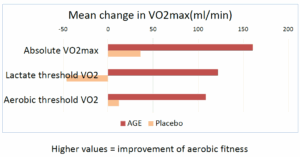 These benefits weren’t seen in those taking the placebo. The participants taking AGE also had a lower risk of cardiovascular disease compared to those in the placebo group.