Key Supplements for Better Heart Health

Before we get into the best supplements for your cardiovascular health we need to talk through what a heart-healthy diet looks like because if you aren’t feeding your body correctly then you could potentially negate the positive effects of supplements.

First Step in Improving Heart Health

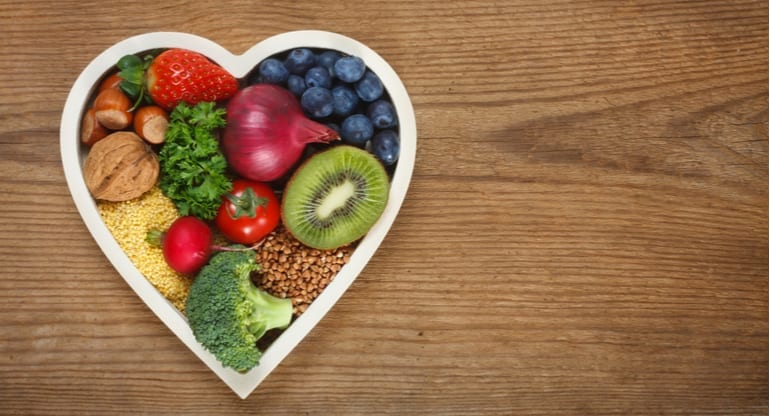
Let’s take a closer look at some basics regarding eating well for a healthy heart. Now, you may be eating plenty of food, but your body may not be getting the nutrients it needs to be healthy. Nutrient-rich foods have vitamins, minerals, protein, fiber, fats, and carbohydrates, and are generally lower in calories. They may help you to manage your weight, cholesterol, and blood pressure levels.

Overall, a heart-healthy diet emphasizes eating a variety of fruits and vegetables, whole grains, low-fat dairy products, skinless poultry and fish, nuts, and legumes. Try to limit saturated fat, trans fat, sodium, red meat, sweets, and sugar-sweetened beverages. If you choose to eat red meat, compare labels and select the leanest cuts available. One diet that fits this pattern is called the DASH diet (Dietary Approaches to Stop Hypertension)1. Most healthy eating patterns can be adapted based on calorie requirements and your personal food preferences.

Top Supplements for Heart Health

In addition to eating well, you may need to consider adding a few heart-healthy supplements to your routine to help fill any nutritional gaps in your diet.

Aged Garlic Extract (AGE)

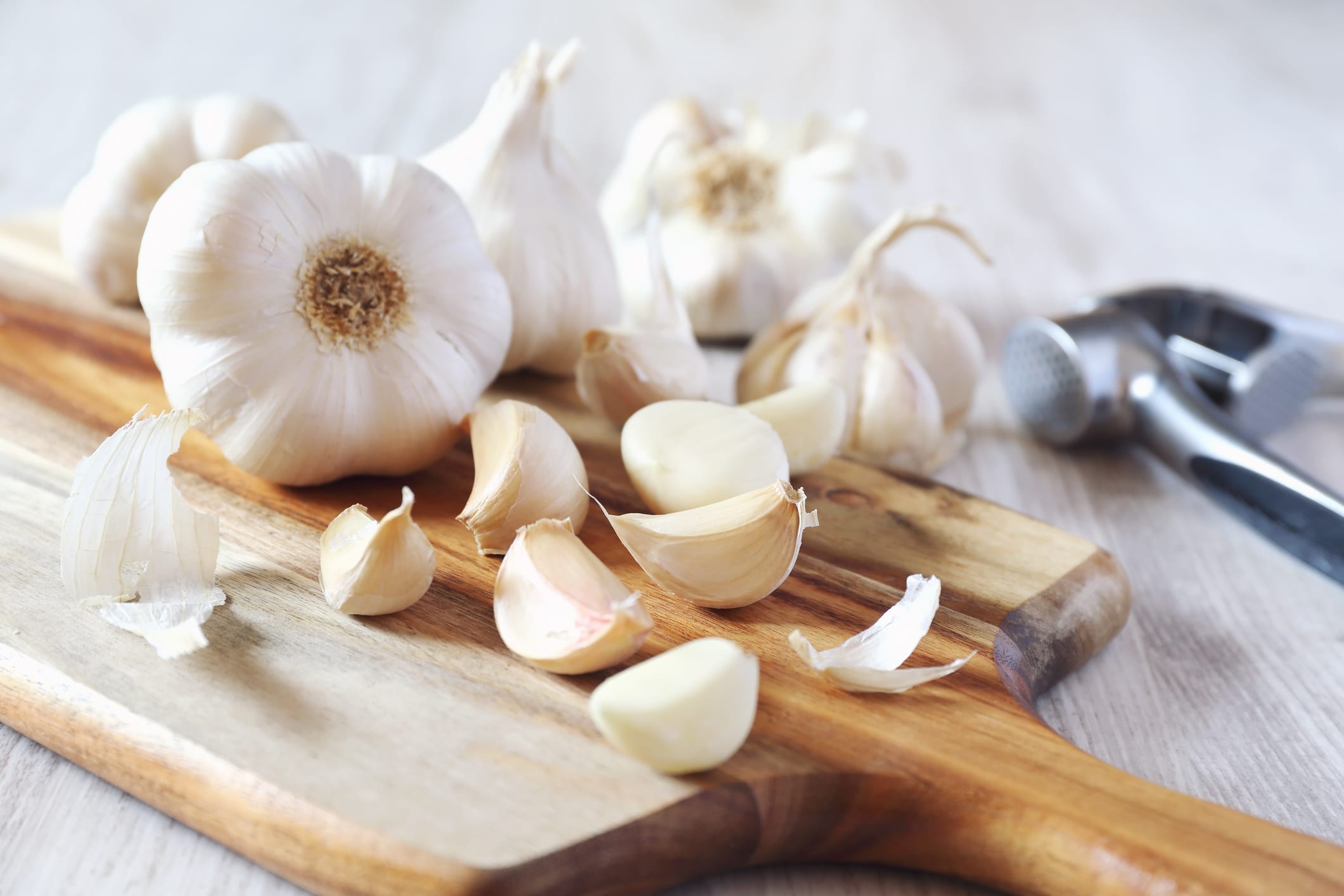
Aged Garlic Extract is one of the most heavily researched herbal medicines today and is among the most commonly used supplements in people with heart disease. In studies, AGE is the type of garlic supplement that has been most consistently shown to have favorable effects on heart health. Kyolic AGE is produced through a proprietary aging process that eliminates garlic odor and harsh side effects. A heart-healthy dose is 1,200 mg daily. AGE can support healthy blood pressure levels, keep bad cholesterol in check, protect LDL (bad cholesterol) from oxidation, increase adiponectin (a hormone that helps protect against inflammation), thins your blood, and staves off plaque in your arteries2. Did you also know that AGE can benefit more than just the heart?

Coenzyme Q10

CoQ10 is a natural compound made by your body that has antioxidant properties. It is considered an “energy generator,” that enhances your heart’s pumping ability. Your body naturally makes some CoQ10, but it only makes a limited amount. CoQ10 is especially important to take if you are on a statin drug because studies show that when you take a statin drug to lower cholesterol, you deplete CoQ103.

Red Yeast Rice

Red Yeast Rice is a fermented rice supplement produced by growing red yeast on white rice. Red yeast contains a small amount of naturally occurring statin that lowers cholesterol. So it works like a statin drug by blocking an enzyme that is involved in making cholesterol4. If you’ve had side effects from taking a statin drug though, such as muscle aches and weakness, you should be cautious with red yeast rice, especially high doses, as you may experience the same side effects from the supplement. It is always best to talk to your doctor before starting a new supplement regimen.

Phytosterols

Phytosterols are compounds naturally found in the cell membranes of foods from certain plants, and they have a chemical structure that’s similar to cholesterol. Because of that, they can compete with cholesterol for absorption in your gut, which may help lower LDL in your bloodstream5. You consume small amounts of phytosterols when you eat vegetable oils, nuts, seeds, and whole grains. Foods containing at least 0.65 grams per serving of plant sterols, eaten twice a day as part of a diet low in saturated fat and cholesterol, may reduce the risk of heart disease by lowering cholesterol levels. Adding a supplement with Phytosterols can ensure that you are doing all you can to keep your cholesterol levels in check.


Wakunaga Recommends:

At Wakunaga, our goal is to help people feel their best so that they can live long and healthy lives. Taking care of your heart health is imperative to that goal so we offer a wide range of Aged Garlic Extract supplements that support cardiovascular and immune system health. Let’s take a look at some of our most popular supplements and how they can help you achieve optimal heart health.

Cardiovascular Formula 100

  • An herbal supplement containing 600 mg of Aged Garlic Extract per serving. Taken daily, this original AGE formula supports your cardiovascular system by maintaining circulatory function and overall heart health.*

Cardiovascular Reserve Formula

  • An herbal supplement containing 600 mg of Aged Garlic Extract per capsule. This convenient, high-potency formula supports healthy cholesterol levels, already within normal ranges, overall heart health, and the immune system*

Cholesterol Formula 104

  • An herbal supplement for cholesterol health containing Aged Garlic Extract and Lecithin.  This combination of Lecithin and AGE supports healthy cholesterol levels already within normal ranges and overall cardiovascular health*

Circulation Formula 106

  • An herbal supplement for circulation, which contains 600 mg of AGE and a unique blend of Vitamin E with Hawthorn Berry and Cayenne Pepper per serving. This formula was designed to help maintain healthy circulation, normal cholesterol levels, and overall heart health*

Cholesterol Support Formula 107

  • An herbal supplement for healthy cholesterol, which contains 600 mg of AGE and 400 mg of Phytosterols per serving. Phytosterols are plant fats that are structurally similar to cholesterol. They can inhibit the absorption of dietary cholesterol by competing for space in the intestinal tract, which decreases LDL cholesterol. This synergistic plant-based blend naturally supports healthy cholesterol levels and overall heart health*

Total Heart Health Formula 108 

  • An herbal supplement for total heart health, which contains 500 mg of AGE with vitamins B6, B12, folate, and L-Arginine in a formula created to support healthy cardiovascular function.*.

Blood Pressure Health Formula 109 

  • An herbal supplement containing Aged Garlic Extract along with Nattokinase (an enzyme extracted from natto, which is fermented soy) and L-Theanine (a nutrient found in green tea). Clinical studies for each of these ingredients have shown been shown to support healthy blood pressure levels, already within normal ranges.*

CoQ10 Formula 110

  • An herbal supplement for cardiovascular health, which contains 600 mg of AGE and 60 mg of Coenzyme Q10 per serving. CoQ10 is a potent antioxidant essential for healthy heart function and cellular energy* This formula has been used in clinical studies that document its ability to support a healthy cardiovascular system.

Take charge of your heart health by eating well, keep exercising, and working some of these cardiovascular supplements into your daily routine. As always, we recommend you speak to your healthcare professional before adding any supplements to your routine.


Podcast: Heart Health Strategies with Kyolic Omeg-AGE with Jim LaValle

LaValle talks about our research regarding AGE and heart health, and how we have over 870 peer-reviewer supporting articles. Kyolic Omeg-AGE were mentioned at the 1:15 minute mark.

Click here to listen to this podcast.

About James LaValle

Jim (James) LaValle, R.Ph., C.C.N, a nationally recognized clinical pharmacist, author, board-certified clinical nutritionist, and founder of Metabolic Code Enterprises, Inc. a web platform and practice solution enterprise, launching AIR Support and the Metabolic Code Assessment.

This article is for informational purposes only. This article is not, nor is it intended to be, a substitute for professional medical advice, diagnosis, or treatment and should never be relied upon for specific medical advice.

Podcast: Heart Health Tips and New Kyolic Omeg-AGE with Jim LaValle

He also breaks down our new product Kyolic Omeg-AGE and discusses how AGE plus high quality fish oil can also help support heart health. Aged Garlic Extract and Kyolic Omeg-AGE were mentioned at the three minute mark.

Click here to listen to this podcast.

About James LaValle

Jim (James) LaValle, R.Ph., C.C.N, a nationally recognized clinical pharmacist, author, board-certified clinical nutritionist, and founder of Metabolic Code Enterprises, Inc. a web platform and practice solution enterprise, launching AIR Support and the Metabolic Code Assessment.

This article is for informational purposes only. This article is not, nor is it intended to be, a substitute for professional medical advice, diagnosis, or treatment and should never be relied upon for specific medical advice.

How to Put a “Spring” in Your Step This Spring

Here are some natural tips to add some pep in your step!

Manage stress. Between juggling work, family, finances, and other commitments, it’s easy to get stressed out, especially in the age of Covid. But it’s important to set aside some time to decompress and unwind—before stress starts to affect your health. Learning to manage your stress takes some practice, but you can and should do it. First, try loosening tight muscles by stretching, taking a hot bath or shower, or enjoying a massage.

Deep breathing can also help you de-stress. Next time you find yourself getting overwhelmed, sit in a comfortable position and close your eyes. Now imagine yourself in a relaxing place and slowly breath in and out for at least five minutes. You’ll be surprised how much better you feel afterwards.

Clock out. Many of us may still be working from home right now. If you are, it may be tempting to “clock in” a little early, work through lunch, and then work a little later than you normally would if you were still in the office. But working too much is one of the main causes of fatigue. Try streamlining your list of “must do” tasks, prioritizing the most important and paring down those that are less pressing. And remember to take breaks to give yourself a chance to recharge.

Exercise. Exercise is a great way to boost energy. When your body becomes more active, internal mechanisms like metabolism and blood flow increase. It’s like waking your body back up from the inside. Once your metabolism increases to keep up with the demands of your day, remember that you have to refuel with healthy whole foods that provide energy.

Quit smoking. It’s no secret that smoking is bad for your health, but did you also know that smoking can siphon off your energy by causing insomnia?1 The nicotine in tobacco is a stimulant, so it speeds up your heart rate, raises blood pressure, and stimulates brain-wave activity associated with wakefulness. This makes it harder to fall asleep. Once you do fall asleep, tobacco’s addictive power can kick in and wake you up with cravings.

Get enough sleep. Sleep is just as critical to your body as the other basic functions of survival like eating and breathing. Sleep is also needed for energy conservation. Yet many of us are sleep deprived. Fortunately there are some simple tricks to improve the quality and quantity of your sleep. First, increase your exposure to bright light during the day. This can be as simple as getting in a 10 minute walk around your neighborhood. This can help because your body has a natural clock known as your circadian rhythm. This internal time keeper affects your brain, body, and hormones, helping you stay awake during the day and telling your body when it’s time to sleep.

Another helpful tip is to avoid caffeine late in the day. We know, it can help keep you alert. But when consumed late in the day, it stimulates your nervous system and may prevent your body from relaxing at night. In fact, caffeine can stay present in your blood for six to eight hours, so it is recommended to stop drinking coffee and other caffeinated beverages after 4 p.m., especially if you’re sensitive to caffeine or have trouble sleeping.2

Eat energy-boosting foods. Eating foods with a low glycemic index (whose sugars are absorbed slowly) may help you avoid the lag in energy that typically happens after eating quickly absorbed sugars or starches. Foods with a low glycemic index include whole grains, high-fiber veggies, nuts, and healthy oils like olive oil. For reference, proteins and fats have glycemic indexes close to zero.

Try an energy-supporting supplement. B vitamins are needed to carry out many different bodily functions. They help the metabolic system function properly, help form red blood cells, and even improve cognitive abilities.3 One of the best known benefits of the Bs is their ability to improve energy. That’s because B vitamins allow your body convert food into energy, one of its most basic, yet most important functions. Some people also attribute these nutrients as a way to reduce fatigue, improve cognitive performance, and even lead to a better mood.

If you’ve been feeling a little sluggish or unfocused lately, now might be the time to consider adding some of these practices to your daily routine. You’ll have that spring in your step in no time! But if you have been feeling a little more fatigued than normal, please consult with a health care professional.


Heart Health Hacks

It’s been a challenging couple of years of social restrictions for the good of public health, that many of us may have become a bit more sedentary than in the past. We may have engaged in things like emotional eating, skipping workouts, spending less time outdoors, and all of that was most likely coupled with some additional stress. We commiserate with you; it was a tough year for all of us! A sedentary lifestyle though can have a negative effect on your heart health.

Luckily, improving your cardiovascular health doesn’t have to be a huge ordeal and simple lifestyle changes can get you back on track in no time. From being conscious about what you eat to blocking out time to catch those Zzzz’s, we are sharing some of our favorite heart health hacks below, to strengthen your heart and keep it as healthy as possible. Click here to learn more about the cardiovascular and immune benefits of AGE.

Don’t worry, these hacks will not be hard to keep up with. We chose these for a reason…they are very achievable. Living a heart-healthy lifestyle doesn’t have to be time-consuming or expensive, anyone can do it by making a few small tweaks in their everyday routine.

Before we get into the list, we want to preface this by saying that one of the best ways to keep up these heart health hacks and habits is to repeat them for 21 days and build them into your daily routine. Eventually, you will take part in these hacks so many times that they will become second nature, and you won’t have to think twice (Richardson, 2017).

5 habits you can practice every day to achieve a more heart-healthy lifestyle:

  1. Eat colorful foods: It is recommended by the American Heart Association to get at least eight servings of fruits and vegetables per day. It sounds like a lot but you can do it. Each time you feel the need to snack on something, try reaching for something fun and colorful, like an apple, cucumber, bell pepper with hummus, and you’ll be at eight servings in no time. Much healthier than reaching for a bag of chips or a handful of candy. Nowadays, lots of grocery stores even offer to-go style cups of fruits and veggies with hummus and small pieces of cheese, pretzels…etc., so take advantage! Remember: eating healthy can help you maintain healthy blood pressure and cholesterol levels, while also reducing your risk for obesity and diabetes.
  2. Portion patrol: Eating fruits and vegetables is all well and good, but not if you’re eating two or three times what your portion-size should be. In fact, the CDC noted that portion sizes in this country have increased over the past two decades. The CDC’s research showed that portion size influences how many calories a person consumes, and may hinder the ability of individuals to accurately assess how much they are eating. This puts people at risk of heart disease, diabetes, stroke, and more. A quick way to get the right portion size is to eat off of a smaller plate. The average dinner plate today clocks in at twelve inches, so switching to a slightly smaller plate, like eight inches, will help you control your portions (it will also make your portions looks larger since your plate is a bit smaller, win-win!).
  3. Catch those Z’s: Sleep is so important for a healthy heart. People who don’t sleep enough are at greater risk for cardiovascular disease and coronary heart disease. Also, sleep is when your body repairs itself, so you want to give it ample time. Your sleep also affects your energy levels for the next day, as well as your ability to control your weight. Insomnia is linked to high blood pressure and heart disease. Over time, poor sleep can also lead to unhealthy habits that can hurt your heart, including higher stress levels, less motivation to be physically active…the list goes on.  Make a bedtime, and stick to it. Aim for getting 6-8 hours of sleep per night. It helps to shut off your electronic devices half an hour before bedtime, and just let the body unwind.
  4. Get moving: Walking improves cardiac risk factors like cholesterol, blood pressure, diabetes, obesity, inflammation, and more. When it comes to walking for heart health, some is better than none, but more is even better. If you are new to being physically active, start with a 10-minute walk around the block each day. Try to increase the number of steps you take in a day. That could mean incorporating a daily 30-minute walk, or it could just mean parking farther away from the entrance of the store. Parking towards the perimeter of the parking lot will help get those steps in and increase your heart rate. If you are at work, once an hour, try to get up, get outside, and take a lap around the office. Walking for an average of 30 minutes or more each day can lower the risk of heart disease and stroke by 35%.
  5. Brush and floss: This might not sound like it is related to heart health, but you’d be surprised. There are some studies that show that dental health and cardiac health are intertwined. Gum disease, for instance, is associated with an increased risk of developing heart disease. Poor dental health also increases the risk of a bacterial infection in the bloodstream, which can affect the heart valves, which, in turn, can lead to heart attack and stroke. So make sure to brush twice each day, and floss once.

Bonus Heart Health Hack

Try a natural supplement, one containing Aged Garlic Extract, to improve cardiovascular health. Aged Garlic Extract is one of the most heavily researched herbal medicines today and is among the most commonly used supplements in people with heart disease. To read more about AGE’s heart health benefits, check this out.

One 12-week clinical study of 88 patients with uncontrolled hypertension found that AGE reduced systolic blood pressure by 11.5 mmHg and diastolic pressure by 6.3 mmHg compared to a placebo. This same study discovered that AGE improved cholesterol levels and arterial stiffness while also reducing artery-damaging inflammation. A more recent review of 12 clinical trials reported similar results and noted that this AGE-induced reduction in blood pressure was associated with a 16-40 percent drop in the risk of experiencing a cardiovascular event. 

A heart-healthy dose is 1,200 mg daily. AGE can support healthy blood pressure levels, keep bad cholesterol in check, protect LDL cholesterol from oxidation, increase adiponectin (a hormone that helps protect against inflammation), thin your blood, and stave off plaque in your arteries. 

By prioritizing yourself with these heart health hacks, and practicing them each day, you are committing to living a healthier and longer life!


Podcast: Healthy Nutrition and Green Drinks with Jim LaValle

Wakunaga was mentioned at the 33:50 minute mark, green drinks were mentioned at 37:00 and Kyolic was mentioned at 37:22.

Click here to listen to this podcast!

About James LaValle

Jim (James) LaValle, R.Ph., C.C.N, a nationally recognized clinical pharmacist, author, board-certified clinical nutritionist, and founder of Metabolic Code Enterprises, Inc. a web platform and practice solution enterprise, launching AIR Support and the Metabolic Code Assessment.

This article is for informational purposes only. This article is not, nor is it intended to be, a substitute for professional medical advice, diagnosis, or treatment and should never be relied upon for specific medical advice.


Podcast: Boosting Resiliency, Durability, and Metabolic Capacity with Jim LaValle

Take a listen to Doctor Hoffman and Jim LaValle as they break this down, and propose some lifestyle changes and supplements that can help. Kyolic was mentioned at the 12:45 minute mark.

Click here here to listen to this interesting podcast!

About James LaValle

Jim (James) LaValle, R.Ph., C.C.N, a nationally recognized clinical pharmacist, author, board-certified clinical nutritionist, and founder of Metabolic Code Enterprises, Inc. a web platform and practice solution enterprise, launching AIR Support and the Metabolic Code Assessment.

About Dr. Ronald Hoffman

Dr. Ronald Hoffman is one of New York’s pioneering Integrative Medicine practitioners. He obtained his MD from Albert Einstein College of Medicine, and has been practicing for 34 years. His radio program, Intelligent Medicine, is the longest-running physician-hosted health program on the air.

This article is for informational purposes only. This article is not, nor is it intended to be, a substitute for professional medical advice, diagnosis, or treatment and should never be relied upon for specific medical advice.

The Importance of Being Regular (Yes, we’re talking about poop!)

Digestive Overview

To understand why your poop matters, it’s important to understand how the digestive process works. The digestive process starts in your mouth when you chew. Your saliva moistens the food so it moves more easily through your esophagus into your stomach. Saliva also has enzymes that begin to break down the starches in your food. After you swallow, a process called peristalsis pushes the food down your esophagus into your stomach. Once there, stomach acid and enzymes break down the food you’ve eaten.

From there, the food enters your small intestine, where your pancreas secretes an array of enzymes that break down carbs, fats, and proteins.  These key macronutrients are then absorbed into the bloodstream via millions of tiny, fingerlike projections called villi, before traveling to the liver where they are converted into a form that can be used by your cells. Bile ducts carry bile from your liver to your gallbladder for storage, or to the small intestine for use. Your gallbladder stores bile between meals. When you eat, your gallbladder squeezes bile through the bile ducts into your small intestine. What’s left in the small intestine passes into your large intestine where billions upon billions of bacteria transform it into waste that can be eliminated from the body.

The Scoop on Poop

A bowel movement is essentially the last phase in your food’s journey as it winds through your digestive tract. There is no standard when it comes to pooping. Everyone’s system is different, so if you’re concerned about how many times a day you should poop, it really depends on your body. Everything from the consistency and size of your stool to how long it takes the body to pass it is based on the individual. That said, it’s important to keep track of any changes in bowel habit. For example, let a health care professional know if you experience things like uncomfortable bloating, painful bowel movements, extremely hard stools, constipation, uncontrolled diarrhea, or feeling that your colon never fully empties.

Passing Gas

While we’re on the subject of the bowels, let’s talk about passing gas. Gas is a by-product of the bacteria in your colon, digesting leftovers of the foods you eat. Bacteria produce hydrogen, nitrogen, oxygen, carbon dioxide, and methane. There is no healthy or unhealthy amount of gas. How much you pass mostly depends on what you have eaten.

Diarrhea

If you can’t seem to leave the bathroom due to diarrhea, you might be wondering what caused the problem, and when it’s time to seek the help of your doctor. Luckily, diarrhea almost always passes on its own, but if it doesn’t, or you begin to notice more symptoms, you might have more questions.  Most cases of diarrhea are caused by a virus that infects your gut. This can come from contaminated food or from germs passed by unwashed hands. If you do find that you have diarrhea, it helps to stay hydrated. Staying hydrated is important, because your body loses a lot of water through diarrhea. In fact, dehydration is often times more dangerous than the minor infection your body is fighting. Staying hydrated, eating ice chips, and eating simple, bland food like rice should help to calm your stomach. In all, the ordeal should last no more than two or three days. If you notice symptoms lingering after three days though, you should contact a health care professional.

What does it mean if your poop changes color?

Pay attention to the color of your stool, especially if it changes. Talk with your doctor if you experience bloody or black stools.

Light colored. This may be a sign of infection, inflammation, or a blockage in your bile ducts.

Red. Blood in your stool can cause your poop to appear red. A tiny bit of bleeding can be a result of constipation or hemorrhoids.

Black. Black stools can indicate bleeding in your gastrointestinal tract. However, eating things like black licorice or blueberries, or taking an iron supplement, can turn your stool black as well.

Constipation

About 16 percent of adults experience symptoms consistent with constipation.1 Constipation is generally described as having fewer than three bowel movements a week. It most commonly occurs when waste or stool moves too slowly through the digestive tract or cannot be eliminated effectively from the rectum. This may cause the stool to become hard and dry. Though occasional constipation is pretty common, some people experience chronic constipation. This is defined as having infrequent bowel movements or the difficult passage of stools that persists for at least several weeks, interfering with daily life. Chronic constipation has many possible causes, including:

Blockages in the colon or rectum. Blockages may slow or stop stool movement. This can be caused by tiny tears in the skin around the anus, a blockage in the intestines, narrowing of the colon, and more.

Problems with the nerves around the colon and rectum. Neurological problems can affect the nerves that cause the muscles in the colon and rectum to contract and move stool through the intestines. Causes can include multiple sclerosis, Parkinson’s disease, and spinal cord injury.

Conditions that affect hormones in the body. Hormones help balance fluids in your body. Certain conditions that upset the balance of hormones and may lead to constipation include diabetes, over/underactive thyroid, and pregnancy.

Countering Constipation

There are some steps you can take to prevent constipation. First, include plenty of high-fiber foods in your diet like beans, vegetables, fruits, and whole grain cereals. Second, eat fewer low-fiber foods like processed foods, dairy, and meat products. Also, drink plenty of fluids (half your body weight in ounces per day is recommended), stay active, and try to get regular exercise.

Another thing that may help to improve your digestive health is a quality daily probiotic. Probiotics are a great way to inject a bit more beneficial bacteria into your diet. Research shows that taking a probiotic supplement can help support digestive health and may help prevent other digestive problems as well.2 Just be sure that the supplement packaging indicates that the bacteria will be live at the expiration date, rather than simply live at the time the supplement is manufactured. Keep these supplements in a cool, dark, and dry location to promote the stability of the beneficial bacteria inside.

Bottom line? Pay attention to your poop! It can give you better insight into your health. And if you ever feel concerned about the frequency, color, or anything else surrounding your stool, we recommend contacting a health care professional.

How to Have Better Gut Health in 2021

Why your gut? According to the University of Michigan, your gastrointestinal tract may be a victim of the challenges we all started to experience in 2020. In fact, many people have suffered from an uptick in stress-related digestive problems over the past year.  Thankfully, there are some simple steps you can take to regain control of and improve your gut health.

Why Gut Health Matters

The gut is made up of trillions of bacteria, fungi, and other microbes that live in your small and large intestine. These microbes help digest the foods you eat, absorb the nutrients from those foods, and then eliminate any leftover waste. What’s more, about 70 percent of your immune system actually lies within the gut. An imbalance between the beneficial and harmful microbes that live in your intestines may contribute to digestive problems and other health issues. This is why it is so important to prioritize your gut health.

Besides digestion and immunity, your gut health can also effect your mood. Here’s how it works: about 90 percent of the nerve fibers in the vagus nerve—which is one of the body’s major nerves and runs from the brain to the abdomen—carry information from your gut to your brain. Sometimes the information is unpleasant, and this can trigger problems with your mood and emotional well-being.1 In the past, we’ve been led to believe that stress and anxiety can lead to problems in the GI tract, but it turns out that the opposite is just as likely. For many people, issues with digestion can lead to stress and anxiety. By dealing with their gut issues, they may be able to alleviate some of the feelings of stress or anxiety. If this isn’t a reason to make your gut health a priority, we don’t know what is!

Top Gut Health Tips

Don’t know where to start? Here are some of our top gut health tips.

Start taking a probiotic. Incorporating a clinically studied probiotic into your daily routine is a great place to begin. A quality probiotic can help your beneficial bacteria flourish and can keep harmful microbes in check. This can help to manage gas, bloating, and other GI issues. Look for a probiotic that is shelf-stable, which means it can safely be stored at room temperature, and also make sure it is guaranteed to be viable at time of consumption. This makes it easy to take with you when you are on the go.

Move every day. Adding physical activity to your day—even a brisk 10-minute walk—can benefit your gut health. The amount of blood diverted from your digestive system when you move decreases because your muscles are more efficient when you exercise. Regular exercise also makes positive changes to the bacterial composition in your gut.

Get enough sleep. Not getting enough good-quality sleep can have a serious effect on your gut health, and that can contribute to even more sleep issues.2 Try to prioritize getting at least 7 to 9 hours of uninterrupted sleep per night. Click here for more on how sleep and gut health are connected.

Eat a diverse range of food. There are many different species of bacteria that live in your intestines. Each species plays a different role in maintaining your health and each requires different nutrients for growth. This is why it’s important to eat many different types of food, especially fruits, vegetables, beans, and legumes. It’s also smart to add fermented foods like kimchi, miso, sauerkraut, and yogurt to that list. Many fermented foods are rich in lactobacilli, a type of bacteria that can benefit your health.

Stay hydrated. Drinking an adequate amount of water has been shown to have a beneficial effect on the mucosal lining of the intestines, as well as on the balance of bacteria in the gut.3 How much do you need? Strive to drink half your body weight in ounces every day. For example, if you weight 130 pounds, try to drink 65 ounces of water daily.

Your gut is a lot more complex than researchers previously thought and it can have a large impact on your whole-body health. Incorporating these lifestyle changes can improve your gut health, as well as your overall mental and physical wellness, for a better 2021.