
Empower Your Health

Taking control of your health may be easier than you think.  Here are some easy and effective ways to stay well.

Annual Checkups

The absolute best way to take control of your health is to be proactive. Getting your yearly checkup is the first line of defense for keeping your body healthy and free from illness. You can not only test for and monitor any health issues but also update vaccinations and talk to your doctor about questions or concerns you may have.

Of course, there’s more to your annual checkup than just seeing your regular physician for some blood pressure and cholesterol screenings. The American Cancer Society recommends that women protect against breast cancer by getting yearly mammograms starting at age 45. The American Cancer Society has also updated their guidelines for colon cancer screenings. Now it’s recommended that everyone get a colonoscopy at age 45 instead of 50. And the Skin Cancer Foundation suggests that you see a dermatologist once a year for a professional full-body exam to check for early indications of melanoma—more often if you have a history of sunburns or are otherwise at a higher risk of skin cancer.

Adopt a Healthy Meal Plan

Life is busy, and sticking to a healthy diet can be challenging, to say the least. When schedules get busy, fruits and vegetables are often the last things to make it onto your dinner plate. But a recent study shows that meal planning and preparation are associated with greater fruit and vegetable intake and lower body mass index (BMI).1 So prepare parts or all of meals before the week starts, and make good use of your freezer. That way you can enjoy all the benefits of healthy home-cooked meals without having to spend a lot of time and energy in the kitchen.

Watch Your Weight

A surefire way to health empowerment is through weight loss. Losing weight can have a wide range of effects on your physical health and outlook on life. Though reducing body fat can be easier said than done, there’s good news: You don’t have to lose much for benefits to kick in. A modest amount of weight loss—about 5 to 10 percent of your body weight—can improve all sorts of health concerns, including type 2 diabetes, high blood pressure, and low HDL (good) cholesterol levels.2

Regular Exercise

Consistently elevating your heart rate can work wonders for your health perspective. Exercise has been shown to provide seemingly unlimited health benefits, both physical and mental. Regular activity doesn’t just help with weight management and improve cardiovascular and musculoskeletal health; exercise can also reduce feelings of depression, anxiety, and stress while boosting self-efficacy and self-esteem.3 Fortunately, you don’t have to join a gym to fit in some fitness into your days. Look for opportunities to be physically activity. Take the stairs instead of the elevator, kick the ball around with the kids, or take the dog out for a walk around the neighborhood.  No dog? Take yourself out for a nice walk.

Daily Supplements

A few key nutrients can have a big impact on your well-being. Reinforce your health with one or more of these daily supplements.

Green nutrients. Greens like arugula, kale, and spinach are packed with vitamins A, C, and K, as well as calcium, iron, magnesium, and potassium—nutrients that every woman needs. But, while salads, soups, and smoothies are a great way to get your greens, who has time? For those days when a stint in the kitchen just isn’t in the cards, consider reaching for a powdered drink mix for a quick and convenient boost of nutrients. Brimming with vitamins, minerals, and antioxidants, products like Kyo-Green Powdered Drink Mix a great way to start the day or as an afternoon pick-me-up. To fortify your immune defense, Kyo-Green Harvest Blend combines ancient grains, plant-based nutrients, prebiotic fiber, and herbal extract phytoactives to support and maintain proper immune function.

Aged Garlic Extract. We like to say “garlic is good but aged garlic extract is better”. Studies show that Aged Garlic Extract (AGE) delivers a number of health benefits, especially for your cardiovascular and immune systems. Published studies document that AGE can reduce blood pressure in patients with uncontrolled hypertension and improve arterial stiffness, inflammation, and your gut microbial profile.4 AGE supplementation also modulates immune cell function, helping to reduce the duration and severity of colds and flu.5 Typical dosage of 600 mg of Aged Garlic Extract daily supplies strong baseline support for your heart and immune health.

Vitamin D + calcium. Bone loss can lead to osteoporosis, a condition of weak brittle bones that break easily. However, the Women’s Health Initiative trial showed that taking calcium and vitamin D together can substantially reduce the risk of bone fracture in postmenopausal women.6 Adequate vitamin D levels have also been shown to benefit muscle function and prevent injurious falls requiring hospitalization in older community-dwelling women.7

Omega-3s. Men may be more likely to suffer from heart disease, but women have a higher mortality and worse prognosis after an acute cardiovascular event.8 A recent review shows that omega-3 fatty acids docosahexaenoic (DHA) and eicosapentaenoic acid (EPA) can reduce the of risk of cardiovascular episodes, including fatal heart attacks.9 What’s more, another study showed that omega-3s are positively associated with decreased frailty and improved mobility and cognition in older people.10


Don’t let your well-being slip away. Going to your annual checkups, making a few tweaks to your lifestyle, and using a proven supplement are all you need to really take control of your health.


Podcast: Keeping your seasonal allergies from going into overdrive

Allergic reactions begin in your immune system. When a harmless substance like pollen is encountered by a person which is allergic to that substance, the immune system may over reach by producing antibodies that “attack” the allergen.

Listen now to learn allergy-smart tips for avoiding allergens and effective supplements for allergy relief, including Moducare® which is a plant based supplement that can help people restore and maintain balance in their everyday immune system functions.

Click here to listen to part 1 and here for part 2 of this podcast.

About James LaValle

Jim (James) LaValle, R.Ph., C.C.N, is a nationally recognized clinical pharmacist, author, board-certified clinical nutritionist, and founder of Metabolic Code Enterprises, Inc. a web platform and practice solution enterprise, launching AIR Support and the Metabolic Code Assessment.

About Dr. Ronald Hoffman

Dr. Ronald Hoffman is one of New York’s pioneering Integrative Medicine practitioners. He obtained his MD from Albert Einstein College of Medicine, and has been practicing for 34 years. His radio program, Intelligent Medicine, is the longest-running physician-hosted health program on the air.


This article is for informational purposes only. This article is not, nor is it intended to be, a substitute for professional medical advice, diagnosis, or treatment and should never be relied upon for specific medical advice.

Staying Healthy on a Tight Budget is Easier Than You Think

Does a Healthy Diet Really Cost More?

A 2013 review reported that eating a healthy diet full of fruits, vegetables, fish, and nuts costs only about $1.50 more per day than eating a less healthy one.1 Though that amount would certainly be higher in today’s inflated economy, when it comes to your long-term health the principle is the same: even if you have to spend a little more now for good health, there’s a huge cost-savings benefit on potential future medical bills that can be easily avoided by eating better.

Get Serious About Supplements

In a perfect world, you’d get all the nutrients your body needs simply from the foods you eat. But life is busy and far from perfect. And though it’s important to strive to eat healthy all the time, the reality is you’re probably going to miss out on some key nutrients every now and then. That’s where dietary supplements come in. Supplements are designed to fill in the gaps in your diet, so if food isn’t providing the nutrients your body requires—whether that’s because of a busy schedule or surging prices at the grocery store—supplements are your best bet for staying healthy over both the short and long runs, even on a budget.

Health Benefits of Supplements

Aside from providing essential vitamins, minerals, and other nutrients that may be lacking from your diet, nutritional supplements offer a range of potential health benefits on their own. For example, supplementing with omega-3s can help reduce the risk for cardiovascular issues.2 Vitamin D supplements may help ward off dementia.3 A daily multivitamin may improve cognition in older adults.4 And taking high-dose vitamin B6 tablets has been shown to reduce feelings of anxiety and depression.5

Cost Effectiveness of Supplements

So if eating healthfully costs only a couple of dollars more, how is spending even more money on supplements actually cost effective? That’s what researchers set out determine in a systematic review published in Clinical Nutrition. In their report, they showed that taking nutritional supplements saves money by significantly curtailing the need for hospital visits. This was because supplement intake can reduce issues such as infections, minor post-operative complications, and functional limitations while improving quality of life. The result? An overall cost benefit, not to mention better health.6 So if you’re wondering whether you can afford supplements to maintain your health, think of it as an investment: the extra cost today is likely to save you tomorrow.

Choose Your Supplements Wisely

Not all supplements are created equal. Instead of grabbing any old bottle off the shelf, it’s important to do a little homework first. It’s essential to choose supplements that have been clinically studied and shown to be effective and safe for your intended use. Why does it matter? Because if a supplement doesn’t have any research behind it, you may be spending too much money while getting little to no health benefit. Read the label carefully and check the manufacturer website to ensure they are well established and can be reached for more information.

More Bang for Your Buck

Another smart strategy is to look for multi-purpose supplements. Instead of loading up your shopping cart with different supplements, each one designed to address just one specific health issue, you may be able to support a number of systems and functions with a single supplement. And that will allow you to spend less money and swallow fewer pills.

For instance, Kyolic Aged Garlic Extract (AGE) on its own has been shown to provide variety of health benefits, including lowering blood pressure and improving arterial stiffness,7 preventing cognitive dysfunction,8 and even treating gum disease.9  But you can also opt for a combination of AGE and several key nutrients to benefit whole-body health. For example, Kyolic Heart, Bone, and Immune Health Formula 152 pairs Aged Garlic Extract with omega-3s and vitamins D3, K2, E, and B6 for a comprehensive and convenient way to support your overall well-being, on any budget.


It doesn’t have to cost an arm and a leg to keep your arms and legs (and the rest of your body) healthy. Taking a targeted supplement or two, along with prioritizing a healthy diet and lifestyle, can help you stay well today while helping to save money tomorrow.

The Health Benefits of Having Fun at Every Age

The Scientific Benefits of F-U-N

Recent research has pointed to playtime as possessing a positive impact on health and well-being. In one study published the Journal of Social and Personal Relationships, daily play was linked to better mood, and greater perceived coping effectiveness with general stressors among diabetes patients.1  Another report from a UC Merced study team demonstrated that when people engage in leisure-time activity, they had lower stress levels, a better mood, a lower heart rate, and more psychological engagement. What’s more, these positive effects were shown to last for hours after the activity was over.2

Healthy Ways to Have a Good Time

These findings prove that living a long life can be all fun and games. So put fun—and your health—first by engaging in a variety of activities.

Exercise. Physical activity is a fun and powerful way to prevent and treat a number of chronic conditions, from cardiovascular disease to mental health.3 And with summer upon us, it’s the perfect time to get moving outdoors, which is infinitely more enjoyable than an indoor workout and actually better for you. According to a recent study, even a short stroll in nature improves working memory and concentration substantially more than completing the same walk inside.4 You can also take it up a notch by joining a summer softball league, a hiking club, or a community garden to start cultivating good times.

Socialize. Getting together with friends might be the most enjoyable activity of all. And it turns out that it’s also good for your health. A 2019 report in Innovation in Aging found that friendship not only influences psychological well-being but also helps maintain cognitive function and physical health in old age.5 And be sure that you and your friends get in as many laughs as possible because laughter and humor can have deep and long-lasting effects on your mental and physical health.6 So whether you go out dancing, join a new book club, or host an outdoor dinner party, socializing can work wonders for your health.

Galvanize. Stimulating your brain in fun and new ways can have a big impact on your cognitive health, especially as you age. A trial of adults aged 60 to 85 indicated that playing games significantly improved cognitive ability and effectively reversed the signs of aging.7 Thankfully, there’s no shortage of brain games like Wordle or Sudoku that you can easily download to your mobile device and play anywhere.

Tranquilize. Fun doesn’t always mean going all-out all of the time. There are plenty of enjoyable ways to unwind that are also good for your health. Some low-key pleasures like a spa day may be the just what the doctor ordered. That’s because spa treatments like massage can relax more than your muscles. Research shows that a single 45-minute massage can significantly decrease the body’s circulating levels of arginine-vasopressin—a hormone that constricts blood vessels and induces high blood pressure.8

Protect Your Health to Have More Fun

Of course, fun alone isn’t enough to maintain optimal health. But with a focused diet and a few effective supplements, you can continue having the time of your life at every age.

Nothing ruins the fun like an emergency trip to the bathroom. And stomach disturbances, such as gas, bloating, constipation, and diarrhea, may be a sign that your gut microbiome is out of balance. Fortunately, you can get it back on track with a probiotic supplement like Kyo-Dophilus Daily Probiotic. A daily probiotic promotes healthy gastrointestinal function and can relieve occasional digestive discomfort, including diarrhea.9 But the benefits of probiotics don’t stop there. They’ve also been shown to improve allergies, high blood pressure, cholesterol, and immune function.10

A greens drink like Kyo-Green Greens Blend Powdered Drink Mix is a convenient way to make sure you’re getting the extra nutrients you need. Packed with vitamins and minerals, including A, C, K, and E, iron, magnesium, and calcium, as well as amino acids and antioxidants, Kyo-Green also boosts your energy while improving your health. For instance, one study revealed that taking a greens powder every day can lower both systolic and diastolic blood pressure by about 8 percent.11 Pretty impressive for a single beverage. Just mix in water or juice and you’re good to go with all the energy you need to maximize fun.

Finally, it’s hard to have a good time if you’re stressed and tired. But with a targeted combination of Aged Garlic Extract, which possess neuroprotective effects and reduces stress-related hormones, including cortisol;12 GABA, a neurotransmitter linked to improved stress and sleep;13 and vitamins B1, B6, and B12 for energy and endurance,14  Kyolic Stress & Fatigue Relief Formula 101 can help fortify your immune system to shake off the stress and fatigue that can get in the way of those good times.


Incorporating fun into your daily routine is a great way to enjoy life and stay healthy. By prioritizing enjoyable activities and taking verified supplements, you can reduce stress, improve mood, enhance cognitive function, and boost your quality of life regardless of age. So get the good times rolling and start living healthier today.

Mastering Menopause — 5 Ways to Balance Your Hormones

Although menopause is a natural changeover from a woman’s childbearing years to a life free from menstrual periods, for many the symptoms of this transition can make life seem like a never-ending rollercoaster.

The Symptoms and Health Risks of Menopause

As a woman nears midlife, her production of natural estrogen and progesterone starts to decline. This can result in the all-too-familiar peri-menopausal hot flashes, night sweats, insomnia, forgetfulness, mood swings, anxiety, loss of libido, and vaginal dryness.2 But, as disconcerting and uncomfortable as these symptoms can be, the drop in these reproductive hormones can also have a serious impact on your health long after you’ve experienced your last period. These include:

  • Heart diseaseBefore age 55, women have a lower risk of heart disease than men, primarily because estrogen helps keep blood vessels relaxed and fosters a healthy balance between good and bad cholesterol. But by age 70, women have about the same risk for heart disease as men of the same age.3
  • Osteoporosis. Having less estrogen after menopause accelerates bone loss and puts you at greater risk for osteoporosis. One large study found that women who have severe hot flashes and night sweats during the years around menopause experience more bone loss and are at higher risk for hip fractures than women who do not have severe symptoms.4
  • Lead poisoning. Because bone begins to break down more quickly after menopause, lead stored in the bone is more likely to be released into the blood. In fact, post-menopausal women can have blood lead levels 30 percent higher than before they reached menopause. This lead increases your risk for heart disease, kidney problems, and cognitive dysfunction.5
  • Urinary incontinence. Since lower estrogen levels can weaken the urethra, about half of all postmenopausal women have trouble holding in their urine.6

Hormonal Support During “The Change”

While hormone replacement therapy (HRT) can relieve symptoms, it’s not without risk. According to The Cleveland Clinic, traditional HRT can increase systemic inflammation and the risk of breast and endometrial cancer. Long-term use can also leave you more vulnerable to cardiovascular disease.7  Fortunately, there are a number of all-natural things you can do to support your hormones and reduce the risk of future health problems.

1. Opt for foods rich in plant-based estrogens

Plant-based estrogens (isoflavones) like those in soy, chickpeas, lentils, fruits, and vegetables mimic the body’s own estrogen by binding to estrogen receptors. This in turn may reduce the risk of hormonal cancers.8  In one clinical trial, a daily dose of soy isoflavones was shown to significantly reduce hot flashes, vaginal dryness, and urinary problems in a group of perimenopausal and postmenopausal women.9  Limiting the amount of caffeine you consume and cutting back on spicy foods can also help make your hot flashes less severe. 7

2. Protect your heart and bones with exercise.

Studies show that aerobic and weight bearing exercise can strengthen both your heart and your bones.10,11 As a bonus, exercise can help lessen insomnia. Plus, working out can improve your mood and may help to relieve anxiety.12

3. If you smoke, quit!

If you smoke and are looking for yet one more reason to quit, studies show that women who smoke can go into menopause about a year earlier than nonsmokers. And for heavy smokers, it can accelerate the change by as much as two years earlier.13

4. Try these herbs to help rebalance Your reproductive hormones

Herbs have been used for centuries to relieve the symptoms of menopause. And modern research shows that our foremothers knew what they were doing. Kyolic Estro-Logic provides a proprietary blend of targeted herbs such as black cohosh, soy isoflavones, wild yam, sage, chaste berry, vervain, astragalus, and motherwort. Each of these herbs have been extensively researched for their ability to support hormonal balance and ease menopausal symptoms.14, 15

5. And don’t forget your supplements!

Since reproductive hormones also impact your heart and bones, it’s important to support healthy hormonal balance at every age and stage of life. But it’s especially crucial in the years leading up to and after menopause. Among the most important are the B vitamins, which support DNA repair and the creation of red blood cells, and regulate the nervous system. Studies show that a deficiency in this family of nutrients can have a negative impact on your bones, cardiovascular system, cognition, and mood.16 While all of the Bs matter, research reports that B6 and B12 may help reduce PMS symptoms, support healthy pregnancy, and reduce the risk of heart disease and cognitive decline in postmenopausal women. 16, 17, 18

But the B vitamins aren’t the only nutrients vital for a woman’s changing health. Adding an omega-3 supplement can help protect bones, brain, breasts, and heart while also reducing menstrual pain.19 Boosting your vitamin D and K2 levels can also help safeguard your bones and heart.20  To make sure you’re getting all the nutrients you need, look for a comprehensive supplement like Kyolic Heart, Bone, & Immune Health that pairs these essentials with Aged Garlic Extract for whole body support.


Taking these steps to enhance your health and quality of life can help you stay healthy and vibrant from your 20s through menopause and beyond.

The Highs and The Lows of Women’s Blood Pressure

High blood pressure, technically known as hypertension, is a significant health concern for women. According to the Centers for Disease Control and Prevention, 44.6 percent of women have high blood pressure, with rates increasing after menopause.1 That, in turn, can boost your risk of a whole range of serious health problems, including heart attack, heart failure, kidney disease, stroke, and even some types of dementia.2,3 Since May is High Blood Pressure Education Month, it’s a perfect time to check your blood pressure and take steps to keep it in in a healthy range.

High Blood Pressure in Women

High blood pressure occurs when the force of blood flowing against your arterial walls is consistently too high. When this happens, your heart has to work harder to pump blood throughout your body. While this is the same for men and women, women experience events that can increase the risk of developing high blood pressure, such as pregnancy, taking birth control, and menopause.4 Researchers at Cedars-Sinai also note that women’s blood vessels, including both large and small arteries, age at a faster rate than those of men.5 Combined, these factors make a woman much more likely to develop high blood pressure. To make matters even worse, high blood pressure doesn’t usually cause any symptoms, even in severe cases. This is why hypertension is often called the “silent killer.”6

Low Blood Pressure in Women

On the other hand, low blood pressure (hypotension) happens when the blood pressure in your arteries is abnormally low, which is defined as less than 90/60 mmHg. While low blood pressure can be normal and perfectly healthy for some women, a sudden drop can lead to symptoms such as dizziness, lightheadedness, fainting, blurred vision, and fatigue. It can also be a sign of a serious heart, endocrine, or neurological condition.7 Older women may be at particular risk as low diastolic blood pressure (the bottom number) has been shown to be a risk marker for cardiovascular disease and all-cause mortality, especially for those with other chronic health conditions.8

So What’s Normal?

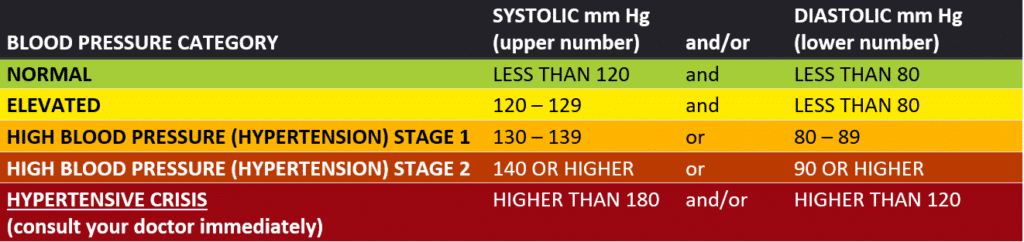
It’s smart to have your blood pressure checked at your earliest opportunity. To get an accurate baseline, make sure your healthcare provider shares your numbers with you during your next visit. Once you have your baseline, consider using a home cuff-style blood pressure monitor once in the morning and once at night if you’re pressures too high or low. According to the American Heart Association, this type of home monitor typically provides accurate readings.9 What do the numbers mean? Here’s a handy chart to help you figure out what’s normal and what’s not:

Source: American Heart Association

Blood Pressure Balancing Nutrients

If your levels are even a little bit higher than normal, consider making changes to your daily routine. A good place to start is by supplementing with the following nutrients:

Aged Garlic Extract. A 2020 analysis of 12 clinical trials that was published in the journal Experimental and Therapeutic Medicine found that a daily dose of aged garlic extract (AGE) lowered systolic blood pressure by an average of 8.3 mmHg and diastolic pressure by about 5.5 mmHg in patients with uncontrolled hypertension. This drop in blood pressure was associated with a 16–40 percent reduction in the risk of a future cardiovascular event like a heart attack or stroke.10 Earlier studies have reported similar results, leading researchers to conclude that AGE offers benefits similar to first-line blood pressure medication.11 But AGE doesn’t just help lower blood pressure; it also reduces cholesterol, inhibits platelet aggregation, and increases antioxidant activity.12

Nattokinase. This potent dietary enzyme has blood-thinning activity that helps prevent blood clots. One way it accomplishes this is by dissolving the tiny fibers (fibrin) that hold clots together. In fact, the beneficial properties in nattokinase have been compared to plasmin, a clot-busting enzyme naturally present in the bloodstream.13 Nattokinase also provides compounds called angiotensin-converting enzyme (ACE) inhibitors that prevent angiotensin, a polypeptide hormone, from increasing water and salt retention in the body. In this way, natto protects against hypertension.14 in one randomized, placebo-controlled clinical trial involving 74 patients with pre-hypertension, those taking nattokinase saw their diastolic blood pressure drop from 87 mmHg to 84 mmHg. No changes were seen in those taking a placebo.15

L-theanine. This amino acid, which is abundant in green tea, has been shown in clinical studies to enhance relaxation and lower blood pressure, especially during periods of stress. One study review reports that in L-theanine had a calming affect in people who usually experienced higher blood pressure after stressful mental tasks.16  But even though L-theanine is effective for moderating stress-related jumps in blood pressure, researchers aren’t sure how the compound works. One theory is that this amino acid increases levels of the brain chemical gamma-aminobutyric acid (GABA), which has calming properties.17 Preliminary research also suggests that L-theanine could also raise serotonin levels and reduce levels of the neurotransmitter norepinephrine, which may lead to reduced blood pressure.18

6 Lifestyle Habits for Healthier Blood Pressure

Pairing these nutrients with healthy habits can play a big role managing high blood pressure.19 Here are six steps women can take to improve their blood pressure levels at any age, courtesy of the American Medical Association:20

  1. Measure your blood pressure at home.
  2. Know what your blood pressure reading means.
  3. Eat a healthy diet like the Dietary Approaches to Stop Hypertension (DASH) diet.
  4. Increase the amount of physical activity you get.
  5. Pratice healthy sleep habits.
  6. Focus on being optimistic and managing stress.

Getting a handle on high blood pressure is essential for reducing the risk of cardiovascular disease. By combining targeted nutrients with healthy lifestyle choices, you may be able to keep your blood pressure in a healthy range—not only during Blood Pressure Awareness Month, but all year long.

Women’s Gut Health—What You Need to Know

A sudden bout with stomach upset can put everything on an immediate and indefinite hold. Fortunately, you can avoid tummy troubles by regularly practicing good gut habits. Let’s take a closer look at how to keep your microbiome strong so you don’t get stuck on the sidelines with digestive issues.

The Importance of Gut Health

Your gut microbiome is home to trillions of microorganisms, including bacteria, fungi, and viruses. These microorganisms play a critical role in everything from digestion and metabolism to your immune function. A well balanced microbiome is a sign of a healthy digestive system. But a disruption in the balance between the beneficial bugs and the harmful microbes in your gut not only sets you up for digestive problems, it has also been linked to an increased risk of obesity, type 2 diabetes, liver disease, and several types of cancer.1

Probiotics for Gut Health

 A healthy and diverse gut microbiome can promote better digestion, boost your immune system, and improve overall health. That’s why taking a comprehensive probiotic supplement is so important. Probiotics can help keep your intestinal microflora in balance and increase digestive activity.2 These actions have been clinically shown to improve a host of digestive woes, including irritable bowel syndrome symptoms, abdominal pain, functional constipation, and antibiotic-associated diarrhea.3

When it comes to your microbiome, diversity is key. Look for a supplement like Kyo-Dophilus Enzyme+ Probiotic, which combines a beneficial trio of bacterial strains with four key digestive enzymes that assist the body’s natural ability to break down proteins, fats, carbohydrates, and dairy into nutrients the body can absorb.

Try a Synbiotic

Your body isn’t the only thing that needs the right foods to flourish. The beneficial bacteria in your gut also requires the right nutrients to thrive. That’s where prebiotics come into play. Prebiotics are a type of dietary fiber that functions as food for the bacteria in your gut. They promote the growth and activity of probiotics in the gastrointestinal tract and help improve the overall balance and diversity of the gut microbiome—key factors in healthy digestion and immune function.

Combining prebiotics and probiotics in a single supplement (known as synbiotics) can give you even better digestive support. In fact, studies show that synbiotics such as Kyo-Dophilus Pro+ Synbiotic, can significantly improve the gut microbiome by enhancing the population of probiotics and increasing digestive enzyme activity.4 Synbiotics can also help to prevent certain triggers that lead to overeating and weight gain.5 On top of that, treatment with this combo may reduce depressive symptoms in patients with major depressive disorder.6

Probiotics for Urinary Tract Infections

Forty percent of women in the United States will develop a urinary tract infection (UTI) at some point in her lifetime.7 Most commonly caused by bacteria entering the urinary tract through the urethra, UTIs can be a painful experience. While antibiotics are commonly prescribed to treat these infections, probiotics have emerged as a safe and effective alternative for handling the pathogens in the urinary tract.8

For the most UTI protection, opt for a daily dose of cranberry extract like that in Kyo-Dophilus Cran+ Probiotic. Combining probiotics with cranberry—a natural ingredient long used to support urinary tract health—has been shown to significantly reduce the risk of UTI recurrence compared to placebo.9

Eat More Gut-Friendly Foods

In addition to taking a probiotic supplement for gut health, don’t forget to focus on eating plenty of gut-favorable foods that provide plenty of dietary fiber and unsaturated fats. Good sources include avocados, beans, nuts and seeds, fatty fish, and dark chocolate. Eating more of these foods has been shown to improve both your microbiome and overall health outcomes.10

 De-Stress

 Stress and digestive disruption have long been linked. This is because stress causes elevated cortisol levels that can trigger immune system dysregulation in the gut. Over time, this can then lead to poor food digestion and less nutrient absorption in the intestines. It can also irritate and inflame the gut’s critical mucosal lining.11 If you’re experiencing gastrointestinal issues, look for ways to reduce stress in your life. Everything from meditation and exercise to laughing and journaling can help lower stress levels and reduce your chances of gastrointestinal complications.

Stay Active

 It’s no secret that getting a little physical activity can improve your health. But did you know that it can directly benefit your microbiome? Studies show that regular exercise can help manage and even prevent digestive issues. That’s because physical activity increases the abundance of beneficial gut bacteria, which in turn supports immune protection, metabolic function, and gut barrier integrity.12 Try to get 30 minutes of activity most days of the week.


A sudden trip to the bathroom is nobody’s idea of a good time. By prioritizing healthy digestion through diet, stress management, physical activity, you’ll foster a healthy gut microbiome and prevent digestive problems. Add a probiotic or synbiotic supplement to the mix and you’ll be on your way to belly bliss in no time.

Maximize Your Memory with This Ancient Herb

Building brain health now can help later in life when you’re more susceptible to memory loss and cognitive decline. Fortunately, you can cut your risk of developing brain fade and age-related cognitive conditions with a ginkgo biloba supplement and a few smart lifestyle hacks.

What Is Ginkgo Biloba?

One of the oldest living tree species, ginkgo biloba has a wide variety of health benefits. It’s been used for centuries to treat conditions ranging from anxiety and depression to headaches and sexual dysfunction. But perhaps its biggest claim to fame is its effect on memory and cognition. Numerous studies suggest that ginkgo biloba can improve blood flow to the brain, executive function, and memory.1

Ginkgo Biloba Supplements for Brain Health

While incorporating a ginkgo biloba supplement into your daily routine can have a big impact on your pursuit of better brain health, there’s no one-size-fits-all solution to improving cognition. That’s why it’s important to choose a supplement tailored to fit your specific needs.

Kyolic Brain Focus. Choosing a supplement with highly concentrated pure ginkgo biloba extract is a good place to start for brain support. This herbal extract works to modify blood flow and stimulate cerebral blood circulation, leading to enhanced focus and attention.2 What’s more, preliminary research shows that ginkgo biloba enhances spatial working memory, recognition, and short- and long-term recall.3

Kyolic Brain Memory. This brain-enhancing supplement pairs ginkgo biloba with Aged Garlic Extract (AGE). Not only effective for cardiovascular health, AGE possesses powerful antioxidant and anti-inflammatory properties that may improve memory. AGE also contains compounds that modulate neurotransmitter function in the regions of the brain associated with cognitive and memory deficits. Plus, these compounds scavenge free radicals to decrease the oxidative stress and may have a positive impact on spatial learning and memory performance.4

Kyolic Neuro-Logic. Designed by a board-certified neurologist, this brain-specific supplement combines ginkgo biloba and AGE with vital nutrients that have been clinically shown to support strong memory and cognition. These include vitamin B12, low levels of which have been associated with smaller brain volume;5 choline, a micronutrient that helps maintain the structural and functional integrity of cell membranes;6 and folic acid, which can protect learning and memory by preventing oxidative stress.7

Better Brain Health Hacks

Even though a high-quality supplement for brain health can give you a much needed cognitive lift, it isn’t the only thing you should focus on in your brain-enhancing regimen. Your lifestyle also has a direct effect on your risk of developing cognitive decline.8

Make intelligent food choices. The foods you eat play a substantial role in maintaining brain health. Unfortunately, the Standard American Diet is chock full of saturated fats and refined sugars, which can have a negative impact on memory and cognition.9 On the other hand, consuming high amounts of vegetables, fruits, plant proteins, monounsaturated fats, whole grains, and fish—while staying away from red meat, refined grains, and sweets—has been linked to less cognitive decline.10

Work it out. Evidence indicates that physical activity benefits brain function as well as cardiovascular health.11 Aerobic exercise, in particular, has been shown to boost episodic memory performance in adults 55 and older.12 Aerobic exercise includes most anything that gets your heart pumping like biking, jogging, pickleball, or swimming. Even a night out dancing can benefit brain health.

Catch those zzzz’s. A good night’s sleep doesn’t just allow you to refresh and recharge for a new day; sleep is a critical factor in healthy cognition and memory. Before learning something new, sleep helps prepare your brain for memory formation. After learning, sleep helps save that new information in the structure of the brain so you’re more likely to remember it. However, just one night of sleep deprivation considerably diminishes the ability to commit new experiences to memory.13 Strive to get seven to nine hours of quality shut-eye every night to improve memory retention.

Play some brain games. What could be better than improving brain health with a few fun games? Brain-training programs are an entertaining way to help prevent cognitive decline. According to a recent meta-analysis, playing computerized cognitive games improves cognitive function in unimpaired seniors aged 60 and up. In the study, researchers noticed statistically significant improvements in processing speed, working memory, executive function, and verbal memory.14 Check out a site like www.lumosity.com for a variety of brain-trainers to keep your mind sharp.

Investing in the health of your brain now can have a significant impact on memory and cognition later in life. By incorporating a ginkgo biloba supplement with healthy lifestyle habits, you will set yourself up for better brain health today and well into your golden years.

3 Ways to Add More Greens to Your Day

The Healthy Benefits of Greens

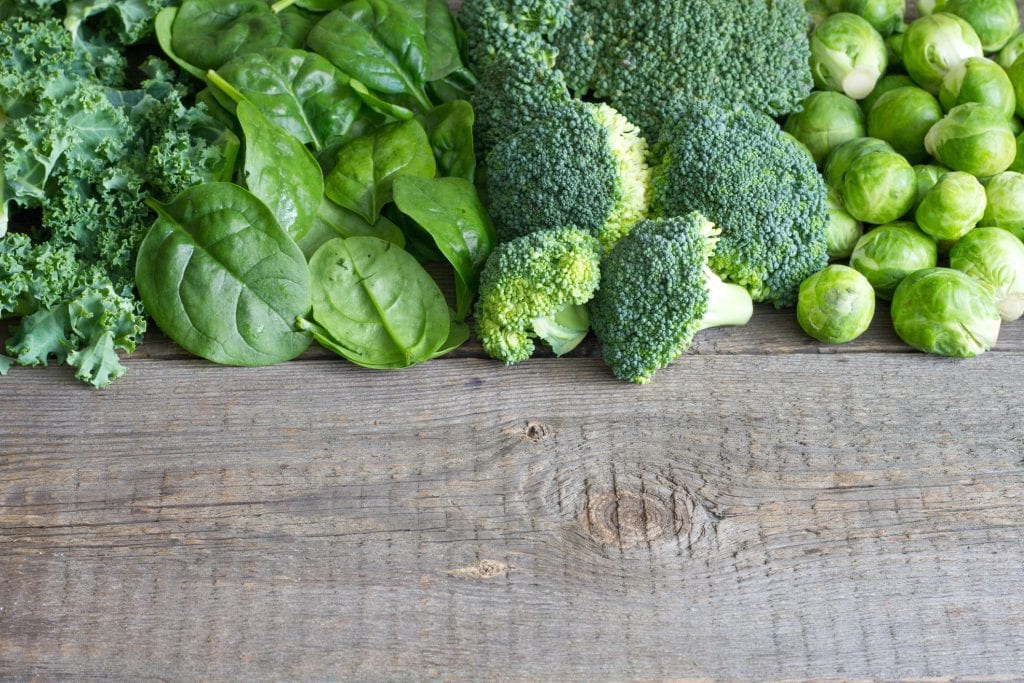
Greens are among the healthiest foods on the planet. That’s because these edible plant leaves are loaded with essential vitamins like A, C, K, and folate, as well as minerals like calcium, iron, and potassium. They’re also rich in antioxidants and fiber.1 Together, these nutrients make dark leafy greens the MVP of the produce aisle. Here are just a few ways they can elevate your health from head to toe:

Your brain. Eating at least one serving of dark leafy greens each day may help keep you sharper longer. In a study involving 960 participants, aged 58-99, researchers found that those eating at least one serving of dark leafy greens each day had memory and thinking skills approximately 11 years younger than the people who rarely ate them.2

Your bones. Dark leafy greens can help keep your bones strong thanks to their high content of vitamin K1 and calcium, two nutrients crucial for preventing conditions like osteoporosis. In fact, adding two to three servings each day has been found to improve bone mass, bone density, and bone turnover.3

Your cardiovascular health. Dark leafy greens are a superstar when it comes to heart health. During the Danish Diet, Cancer, and Health Study, researchers found that people who consumed the most nitrate-rich leafy green vegetables not only had about a 2.5 mmHg lower systolic blood pressure, they also had a 12 to 26 percent lower risk of heart disease.4

Your gut. The high fiber content in leafy greens promotes digestive health by promoting regular bowel movements.5 But the fiber in greens, as well as unique sugars called sulfoquinovosidase, act as prebiotics, feeding the beneficial bacteria in your gut.6  Combining these nutritional goldmines with a comprehensive probiotic can keep the bacterial buddies in your gut happy while strengthening your entire microbiome.

Your weight. Naturally low in calories and high in fiber, dark green leafy veggies can fill up without filling you out. A review of 10 separate clinical studies suggests that increasing your vegetable consumption can help you effectively lose weight. Some of the studies showed that continuing to eat at least four servings each day after dropping those pounds can also help you keep the weight off. 7

It’s Easy Being Green

These health benefits would be reason enough to add dark leafy greens to you meal plan. But they’re also delicious and versatile. Here are three easy strategies for including them in your daily diet, starting today!

  1. Know your greens. There are more than 15 different types of dark leafy greens. Each has a unique nutrient and flavor profile so it’s smart to mix it up! Here are the most popular:
  • Arugula
  • Beet greens
  • Bok choy
  • Broccoli raab
  • Collard greens
  • Endive
  • Escarole
  • Kale
  • Microgreens
  • Mustard greens
  • Romaine
  • Spinach
  • Swiss Chard
  • Turnip greens
  • Watercress

When shopping for greens, look for crisp leaves with deep color—the darker the better. Avoid those that appear limp, wilted, or discolored. And try to opt for organic whenever possible. Conventionally grown spinach, kale, mustard greens and collard greens are at or near the top of the Environmental Working Group’s (EWG) “Dirty Dozen” list of fruits and vegetables with the highest levels of pesticide residue.

Frozen vegetables are also a good option. Research published in the Journal of Agricultural and Food Chemistry shows that frozen veggies like spinach retain their vitamin content, making them a healthy alternative to fresh.8 Another bonus? Frozen vegetables are often cheaper and easier to prepare. They also have a longer shelf life and are available year-round.

  1. Add them to every meal when possible. It’s easier than you might think to sneak some greens into your meals. For breakfast, toss a handful of greens into your eggs or blend them into a smoothie with a variety of berries and plant-based milk (you’ll never taste the greens!). For lunch, try them raw in a salad or used large leafy greens as a wrap instead of bread or a tortilla and fill them with your favorite sandwich fillings.

Greens can also be added to sauces, soups, or stews for a nutrient-packed dinner.

Because greens offer rich texture and flavor, there are endless opportunities to make them part of your daily meals.

  1. Try a greens supplement. When life gets hectic, healthy eating can fall off the radar. No matter how busy things get, you can still get a healthy dose of green veggies with a powdered greens drink mix. But choose carefully. While there are many greens products on the market—some containing as many as 75 ingredients—not all provide key compound in amounts that truly benefit your health. While a lengthy list might seem impressive, it begs the question, can one little scoop really contain therapeutic levels of each ingredient? Likely not.

What should you look for? Check the Supplements Facts label to make sure your greens mix contains high-antioxidant superfoods like barley grass, chlorella, kelp, and wheat grass, as well as fiber-rich ingredients like brown rice and inulin. Here’s why these ingredients matter: Barley grass discourages inflammation, promotes sleep, protects the liver, improves gastrointestinal function, and reduces the risk of high blood pressure and cardiovascular disease.9 Chlorella, lowers blood pressure, decreases cholesterol levels, and speeds up wound healing.10 Wheatgrass supports joint, digestive, and liver health while helping to protect cells from oxidative stress.11

Other ingredients can provide even more nutrition. For example, with antioxidant, anti-inflammatory, lipid-lowering, and brain-protective properties, spirulina helps improve cardiovascular health, potentially reducing risk factors like high blood pressure and cholesterol levels. It also shows promise in managing allergies, supporting immune function, and even potentially aiding in weight management.12,13 Broccoli and broccoli sprouts are another addition that can provide health protection by reducing the risk of all-cause mortality.14

It’s also important to keep your powdered greens drink mix clean by searching out a product that contains mostly organic ingredients. Just like the greens you buy at your local grocery store, the ingredients in greens drinks can also harbor pesticide and herbicide residue.

No proper diet is complete without a daily supply of green nutrition. Incorporating these tips can help you get the greens you need every day—and in the process, give you a wide range of health benefits, one bite (or sip) at a time.